
Navigating Estrogen: A Guide to Common Side Effects
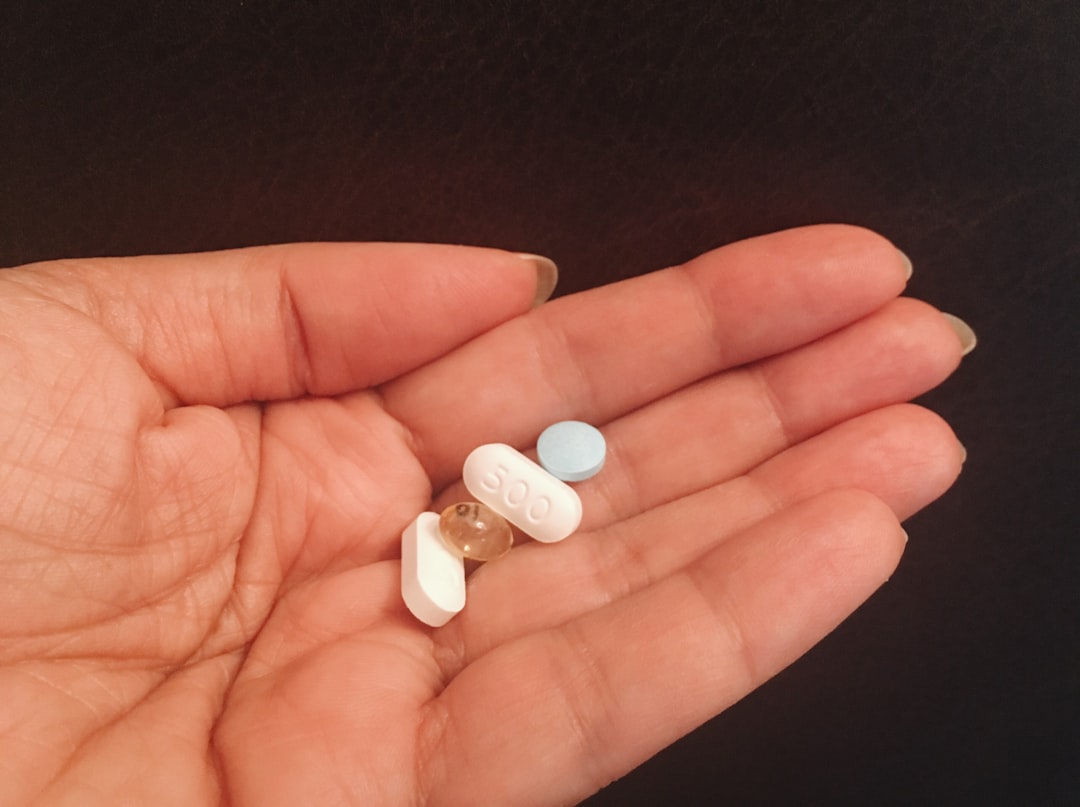
Understanding the Full Picture of Estrogen Therapy Risks
Estrogen side effects range from mild discomfort to serious health risks, and understanding them is crucial for anyone considering hormone replacement therapy. Whether you're dealing with menopause symptoms or exploring treatment options, knowing what to expect can help you make informed decisions about your health.
Common estrogen side effects include:
- Mild effects: Headaches, breast tenderness, nausea, bloating, mood changes
- Moderate effects: Irregular bleeding, leg cramps, fluid retention
- Serious risks: Blood clots, stroke, increased cancer risk (with long-term use)
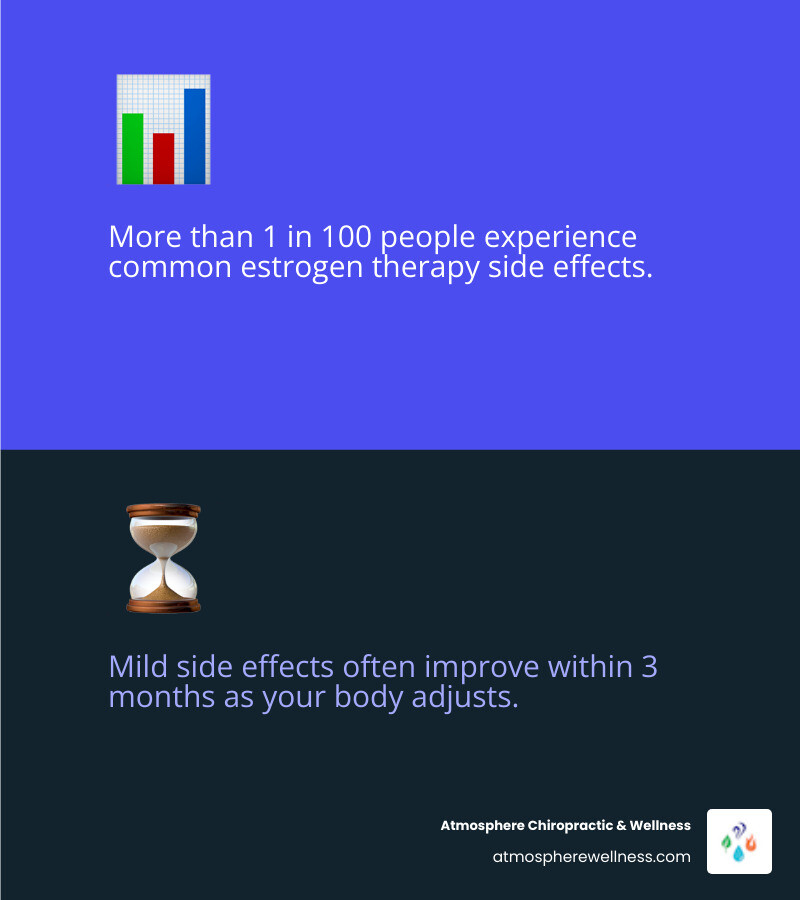
- Duration: Most mild effects improve within 3 months as your body adjusts
The research shows that more than 1 in 100 people experience common side effects from estrogen therapy. However, serious complications are less frequent and often depend on factors like your age, health history, and how long you use the treatment.
Finding the right dose and type of hormone therapy can take time, and many side effects can be managed by working closely with your healthcare provider. The key is balancing the benefits of symptom relief with potential risks.
As Dr. Gannon Ward, I've spent over 15 years helping patients steer complex health decisions, including understanding estrogen side effects and their impact on overall wellness. My holistic approach at Atmosphere Chiropractic & Wellness focuses on empowering patients with the knowledge they need to make informed choices about treatments like hormone replacement therapy.
Estrogen side effects word roundup:
The Spectrum of Estrogen Side Effects
When you're considering estrogen side effects, it's helpful to think of them as existing on a spectrum. On one end, you have the mild, temporary effects that many women experience as their bodies adjust to hormone therapy. On the other end are the more serious risks that require careful monitoring and discussion with your healthcare provider.
The truth is, estrogen side effects aren't one-size-fits-all. Your experience depends on several factors: the type of estrogen you're taking, your dose, how you're taking it (pill, patch, gel), and your unique health profile. If you still have a uterus, you'll likely be prescribed progestin alongside estrogen, which brings its own set of potential effects into the mix.

Understanding Common Estrogen Side Effects
Let's start with the estrogen side effects you're most likely to encounter. These show up in more than 1 in 100 people taking estrogen therapy, but here's the good news: they're usually mild and often fade as your body gets used to the new hormone levels.
Bloating and fluid retention might make you feel a bit puffy, especially in the first few weeks. It's similar to that pre-period feeling many women know well. Your body is simply adjusting to having more estrogen on board.
Breast tenderness is another common experience. Your breasts might feel sore or sensitive, much like they did during your menstruating years. This typically improves with time, but if you notice any new lumps or significant changes, definitely reach out to your doctor.
Headaches often pop up in the beginning. For most women, these are mild and last just a few days. Taking your medication with food and staying hydrated can help. If headaches persist beyond a week or become severe, it's time to check in with your healthcare provider.
Mood swings can catch you off guard. One minute you're fine, the next you're feeling irritable or emotional. Your hormones are shifting, and this is often temporary as your system finds its new balance.
Nausea is more common with oral estrogen forms. The simple fix? Take your medication with food. Stick to lighter meals if your stomach feels unsettled.
Irregular bleeding or spotting is completely normal for the first 3 to 6 months, assuming you haven't had a hysterectomy. Your body is adjusting to the new hormone levels. However, heavy bleeding, bleeding that continues after 6 months, or any bleeding after a hysterectomy needs immediate medical attention.
Leg cramps might occur in those first few weeks. Gentle stretching and light exercise often help ease the discomfort.
Here are some practical ways to manage these mild effects: Take your medication with food to reduce nausea. Stay well-hydrated to help with bloating. Keep up with gentle exercise - it helps with mood, fluid retention, and overall well-being. Most importantly, give it time. We typically tell patients to allow at least three months for their bodies to fully adjust.
If side effects are bothering you, don't suffer in silence. We can often help by adjusting your dose, switching to a different type of estrogen, or trying a different delivery method. For more comprehensive information about managing your hormone therapy journey, check out our guide on hormone therapy for women.
Serious Risks and Long-Term Estrogen Side Effects
Now let's talk about the more serious estrogen side effects that come with long-term use. While these risks are generally low, they're important to understand so you can make informed decisions about your treatment.
Blood clots represent one of the more concerning risks. Estrogen can increase your chances of developing clots in your legs or lungs, especially during the first year of treatment. The risk is higher with oral estrogen compared to patches or gels. Watch for pain, redness, or swelling in one leg, or sudden chest pain and breathlessness.
Stroke risk increases slightly with estrogen therapy, particularly with combined hormone replacement therapy. Warning signs include sudden severe headache, vision changes, difficulty speaking, or weakness on one side of your body.
Heart disease risk varies depending on when you start hormone therapy. If you begin treatment after age 60 or more than 10 years after menopause, your risk may be higher, especially with combined therapy. However, starting closer to menopause (in your early 50s) carries less risk.
Breast cancer is often the biggest concern for women considering hormone therapy. Combined estrogen and progestin therapy may slightly increase breast cancer risk after five or more years of use. The increase is small - less than 1 in 1,000 - and estrogen-only therapy generally carries lower risk.
Ovarian and uterine cancer risks also deserve mention. Both combined and estrogen-only therapy may slightly increase ovarian cancer risk. For uterine cancer, estrogen alone poses a significant risk if you still have a uterus, which is why doctors prescribe progestin alongside estrogen to protect the uterine lining.
Dementia risk may increase with long-term combined hormone therapy, especially in women over 65. Current guidelines don't recommend hormone therapy for dementia prevention.
Gallbladder disease, including gallstones, occurs more frequently in women taking estrogen therapy.
These risks might sound overwhelming, but remember: for many women dealing with severe menopausal symptoms, the benefits of hormone therapy outweigh these potential risks, especially when treatment is started at the right time and carefully monitored.
For detailed scientific information about estrogen side effects, the Mayo Clinic's comprehensive guide provides extensive research-based information to help you understand these risks in context.
A Closer Look at Hormone Replacement Therapy (HRT)
To truly understand estrogen side effects, we need to start with the basics of what Hormone Replacement Therapy actually is. Think of HRT as your body's backup plan when your natural hormone production starts to decline during menopause.
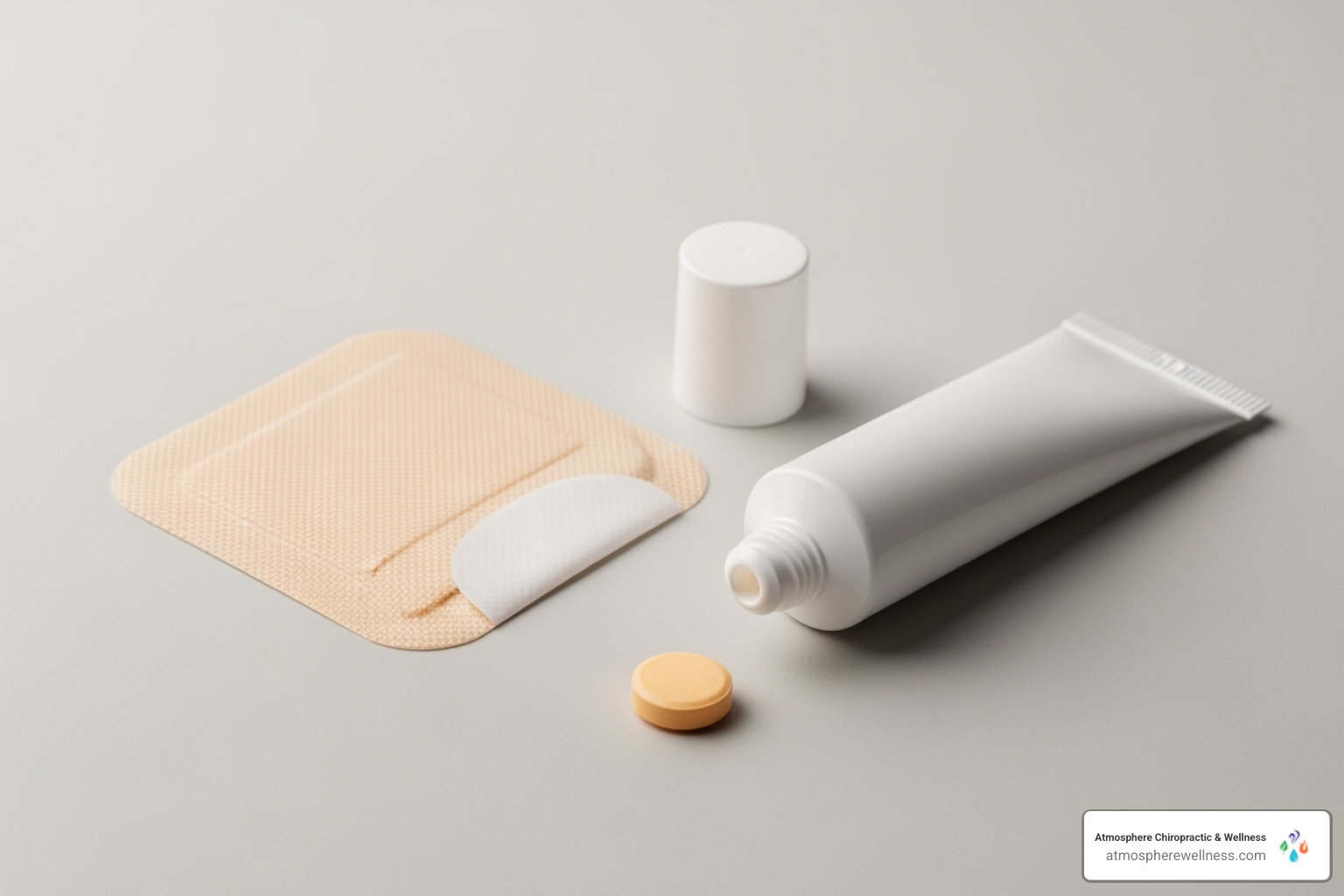
HRT works by replacing the estrogen (and often progesterone) that your ovaries used to make in abundance. It's like giving your body a gentle reminder of how things used to work before menopause arrived uninvited with its hot flashes and sleepless nights.
The beauty of modern HRT is that it's not a one-size-fits-all approach. Your treatment can be customized based on your specific symptoms, health history, and lifestyle preferences. Some women need comprehensive relief for whole-body symptoms, while others just want to address specific issues like vaginal dryness.
Systemic vs. Local Hormone Therapy
Here's where things get interesting - not all hormone therapy works the same way in your body. Systemic therapy travels through your bloodstream to help with symptoms throughout your entire body, while local therapy stays right where you apply it.
| Feature | Systemic HRT | Local HRT |
|---|---|---|
| Administration | Pills, patches, gels, sprays, injections | Vaginal creams, rings, tablets |
| Absorption | Absorbed into the bloodstream, affecting the entire body | Applied directly to the vaginal area, with minimal systemic absorption |
| Primary Use | Relieves widespread menopausal symptoms like hot flashes, night sweats, mood swings, bone loss | Addresses localized symptoms like vaginal dryness, painful intercourse, and urinary issues |
| Side Effects | Potential for more systemic estrogen side effects (e.g., blood clot risk with oral forms) | Fewer systemic estrogen side effects; localized irritation is possible |
| Symptoms Treated | Whole-body symptoms (vasomotor, bone health, mood, sleep) | Targeted relief for genitourinary symptoms of menopause |
If you're dealing with those classic menopause symptoms like hot flashes and night sweats that make you feel like you're living in a personal sauna, systemic therapy is usually your best bet. It gets to work throughout your whole body, tackling symptoms from head to toe.
On the flip side, if your main concern is vaginal dryness or discomfort during intimacy, local therapy can be incredibly effective. The best part? Because it stays mostly where you apply it, you're much less likely to experience the systemic estrogen side effects we discussed earlier.
Who is a Candidate for HRT?
The truth is, HRT can be life-changing for many women, but it's not right for everyone. Let's talk about who typically benefits most from hormone therapy.
Menopause symptom relief is the most common reason women consider HRT. If your symptoms are making it hard to sleep, work, or enjoy life, hormone therapy might be worth discussing with your doctor. We're talking about those hot flashes that leave you drenched at 3 AM, mood swings that surprise even you, or brain fog that makes you forget why you walked into a room.
Osteoporosis prevention is another important reason to consider HRT, especially if you're at high risk for bone fractures. Estrogen plays a huge role in keeping your bones strong, so replacing it can help protect against future problems.
If you've experienced early menopause (before age 40), whether naturally or due to medical treatments, HRT is often strongly recommended. Your body wasn't expecting to lose estrogen so early, and replacing it can protect your heart, bones, and overall health.
However, HRT isn't suitable if you have certain health conditions. A history of breast cancer, blood clots, stroke, heart disease, or liver disease typically means HRT isn't the right choice for you. Undiagnosed vaginal bleeding is also a red flag that needs investigation before starting any hormone therapy.
Your healthcare provider will carefully review your medical history, family history, and current symptoms to determine if HRT is safe for you. It's not just about whether you can take hormones - it's about whether the benefits outweigh the potential estrogen side effects for your unique situation.
For more detailed information about bioidentical hormone options and their specific side effects, you can explore our guide on Bioidentical Hormone Replacement Therapy Pellets Side Effects.
Managing Your Treatment: Mitigation and Alternatives
The good news about estrogen side effects is that many can be effectively managed or even prevented with the right approach. At Atmosphere Chiropractic & Wellness, we believe in empowering you with choices and strategies to steer your health journey confidently. Whether that involves fine-tuning your current treatment or exploring alternative therapies, our holistic approach focuses on finding solutions that work best for your unique situation.

Think of managing hormone therapy like adjusting the temperature in your home - sometimes you need to make small tweaks to find that perfect comfort zone. The key is working closely with your healthcare provider to find the right balance between symptom relief and minimizing any unwanted effects.
How Can Side Effects Be Managed?
Communication with your doctor is absolutely the most important first step if you're experiencing troublesome estrogen side effects. We're here to listen and help you adjust your treatment plan for optimal comfort and effectiveness. Many side effects that seem concerning at first can often be resolved with simple adjustments.
Adjusting your dosage is often the easiest solution. The principle we follow is using the "lowest effective dose" for the shortest necessary duration. Sometimes a smaller amount of estrogen can significantly reduce side effects while still providing the symptom relief you need. It's like finding the right volume on your radio - loud enough to hear clearly, but not so loud it becomes uncomfortable.
Changing how you take your medication can make a world of difference. If you're taking oral estrogen and experiencing nausea or are concerned about blood clot risk, switching to a transdermal form like patches, gels, or sprays might be the perfect solution. These forms are absorbed directly through your skin into your bloodstream, bypassing your liver and potentially reducing some systemic risks. For localized symptoms like vaginal dryness, vaginal creams, rings, or tablets can provide targeted relief with minimal systemic absorption and fewer estrogen side effects.
Giving your body time to adjust is crucial and often overlooked. Many common side effects like breast tenderness, bloating, or mild headaches are temporary visitors that typically pack up and leave within the first three months as your body adapts to the new hormone levels. Think of it like breaking in a new pair of shoes - sometimes you just need a little patience!
If you have a uterus and are experiencing irregular bleeding or concerned about uterine cancer risk from estrogen-only therapy, adding progestin is essential. This protects your uterine lining and helps manage bleeding patterns effectively.
Never make changes to your HRT medication or stop taking it without talking to your healthcare provider first. We can help you weigh the pros and cons of different options and ensure your treatment plan remains both safe and effective.
For more comprehensive information about managing your hormone therapy journey, visit our page about our Holistic Health approach in Lehi.
What Are the Alternatives Within a Holistic Wellness Approach?
For those who cannot take HRT or prefer not to, there are many effective alternatives to manage menopausal symptoms and support overall wellness. At Atmosphere Chiropractic & Wellness in Lehi, Utah, we accept a holistic perspective, offering various therapies that can complement or serve as alternatives to traditional medical treatments.
Lifestyle modifications can be surprisingly powerful in managing symptoms. For hot flashes, simple cooling strategies like dressing in layers, avoiding triggers such as spicy foods, caffeine, and alcohol, and using cooling gels or fans can provide significant relief. Stress management techniques like meditation, deep breathing exercises, and yoga can work wonders for mood swings, anxiety, and sleep disturbances. Regular exercise not only helps manage weight (which can influence hot flashes) but also improves mood, sleep quality, and bone health. A balanced nutrition approach with a diet rich in fruits, vegetables, and whole grains supports overall well-being and may help ease some symptoms naturally.
Non-hormonal medications might be suggested by your doctor for specific symptoms. These include certain antidepressants that can reduce hot flashes, medications like gabapentin for hot flashes and sleep issues, or newer FDA-approved options specifically designed for menopausal symptoms.
At Atmosphere Chiropractic & Wellness, we offer a range of supportive therapies that can improve your body's natural healing processes and improve your overall wellness. Chiropractic care helps with musculoskeletal pain and improves nervous system function, contributing to better overall health. Cryotherapy may help reduce inflammation and improve mood, potentially alleviating some discomfort you're experiencing. Red light therapy supports cellular health and reduces inflammation, contributing to improved well-being. Massage therapy is excellent for stress reduction, muscle tension relief, and promoting relaxation, which can significantly aid sleep and mood.
Nutritional support and herbal remedies offer another avenue worth exploring. While scientific evidence varies, some people find relief with certain supplements like black cohosh, soy isoflavones, or evening primrose oil. Always consult your healthcare provider or a qualified nutritionist before taking any supplements, as they can interact with other medications and may have their own side effects.
Our approach to health in Lehi, Utah, centers on finding the right combination of strategies specifically for you. We believe in addressing the root causes of discomfort and supporting your body's innate ability to thrive. To explore how functional medicine can personalize your wellness journey, visit our page on our approach to Functional Medicine in Lehi.
Frequently Asked Questions about Estrogen Therapy
When it comes to estrogen side effects and hormone therapy, we know you have questions. As healthcare providers, we hear the same concerns from our patients time and again. Let's address the big ones with straight, honest answers based on current research.
Does HRT increase the risk of breast cancer or heart disease?
This is probably the question that keeps you up at night, and we get it. The relationship between HRT and these serious conditions isn't simple, but here's what the science tells us.
When it comes to breast cancer, the picture depends on what type of HRT you're taking. If you're on combined HRT (estrogen plus progestin), there is a small increase in breast cancer risk, but it's much smaller than most people think. We're talking about less than 1 in 1,000 users per year, and this risk typically doesn't show up until after five years of use.
Here's something that might surprise you: if you've had a hysterectomy and take estrogen alone, studies generally don't show an increased breast cancer risk. Some research even suggests a slight decrease in risk. The key takeaway? The absolute risk remains low for most women, and regular mammograms are still your best friend.
Heart disease risk is where timing becomes everything. If you start HRT in your early 50s, within 10 years of menopause, you're actually in a pretty good spot. Studies suggest HRT may even protect your heart during this window. But if you wait until after 60 or start HRT more than 10 years after menopause, that's when we see increased risks of heart disease, stroke, and blood clots.
There's an important exception: if you lost estrogen before age 40 (maybe through surgery or early menopause), not taking HRT can actually increase your heart disease risk. Your body needs that hormone protection.
The bottom line? Your individual risk factors matter more than general statistics. We'll work together to assess your personal situation and make the best decision for your health.
How long should someone typically take HRT?
This is one of those "it depends" answers that we know can be frustrating, but bear with us. The general rule of thumb is to use the lowest effective dose for the shortest time that makes sense for your situation.
Most people take HRT for five years or less. For many women, those troublesome hot flashes and night sweats do settle down over time, making long-term HRT unnecessary. Think of it like a bridge to help you through the roughest part of menopause.
But life isn't always that neat and tidy. Some women have symptoms that persist, and the quality of life improvement from HRT is significant. If that's you, continuing HRT beyond five years might make perfect sense. The decision really comes down to how severe your symptoms are, what your risk profile looks like, and what feels right for you.
Here's what we do know works well: having an honest conversation with your doctor every year. We'll reassess how you're feeling, review any changes in your health, and weigh the benefits against potential estrogen side effects and risks. This isn't a "set it and forget it" treatment - it's an ongoing partnership in your health care.
When should I consult a doctor about side effects?
Most estrogen side effects are manageable and temporary, but there are definitely times when you should pick up the phone and call us. Here's when we want to hear from you.
If common side effects stick around longer than three months, it's time to talk. Things like headaches, breast tenderness, or bloating that just won't quit might mean we need to adjust your dose or try a different approach. There's no need to tough it out if you're uncomfortable.
Some symptoms need immediate attention - we're talking call 911 or head to the emergency room right away. These include sudden severe headache, vision changes, chest pain, trouble breathing, or pain and swelling in one leg. These could be signs of serious complications like stroke or blood clots.
Any abnormal vaginal bleeding deserves a conversation. If you're having heavy bleeding, bleeding that shows up unexpectedly after months without periods, or any bleeding after a hysterectomy, we need to check that out promptly.
We'd rather you call with a concern that turns out to be nothing than miss something important. And if you experience any side effects, you or your doctor can report them through the FDA's MedWatch program to help keep medications safe for everyone.
The most important thing to remember? You're not in this alone. We're here to help you steer these decisions and manage any estrogen side effects that come up along the way.
Conclusion: Partnering with Your Provider for a Healthy Transition
Decisions about estrogen side effects and hormone replacement therapy are easier with a trusted partner. Our goal at Atmosphere Chiropractic & Wellness is to provide clear guidance so you can weigh benefits and risks confidently.
Personalized care matters. Some people do best on low-dose patches, others prefer holistic therapies, and many benefit from a blended plan. We'll tailor your approach to your symptoms, goals, and health history.
Proactive management keeps you safe and comfortable. Regular check-ins, monitoring for side effects, and timely dose or method adjustments help you get results while minimizing risks.
We offer an integrated model-from HRT to supportive therapies like cryotherapy, chiropractic care, red light therapy, and massage-to support your body as a whole. Ready to explore what's right for you?
Understanding the Full Picture of Estrogen Therapy Risks
Estrogen side effects range from mild discomfort to serious health risks, and understanding them is crucial for anyone considering hormone replacement therapy. Whether you're dealing with menopause symptoms or exploring treatment options, knowing what to expect can help you make informed decisions about your health.
Common estrogen side effects include:
- Mild effects: Headaches, breast tenderness, nausea, bloating, mood changes
- Moderate effects: Irregular bleeding, leg cramps, fluid retention
- Serious risks: Blood clots, stroke, increased cancer risk (with long-term use)
- Duration: Most mild effects improve within 3 months as your body adjusts
The research shows that more than 1 in 100 people experience common side effects from estrogen therapy. However, serious complications are less frequent and often depend on factors like your age, health history, and how long you use the treatment.
Finding the right dose and type of hormone therapy can take time, and many side effects can be managed by working closely with your healthcare provider. The key is balancing the benefits of symptom relief with potential risks.
As Dr. Gannon Ward, I've spent over 15 years helping patients steer complex health decisions, including understanding estrogen side effects and their impact on overall wellness. My holistic approach at Atmosphere Chiropractic & Wellness focuses on empowering patients with the knowledge they need to make informed choices about treatments like hormone replacement therapy.
Estrogen side effects word roundup:
The Spectrum of Estrogen Side Effects
When you're considering estrogen side effects, it's helpful to think of them as existing on a spectrum. On one end, you have the mild, temporary effects that many women experience as their bodies adjust to hormone therapy. On the other end are the more serious risks that require careful monitoring and discussion with your healthcare provider.
The truth is, estrogen side effects aren't one-size-fits-all. Your experience depends on several factors: the type of estrogen you're taking, your dose, how you're taking it (pill, patch, gel), and your unique health profile. If you still have a uterus, you'll likely be prescribed progestin alongside estrogen, which brings its own set of potential effects into the mix.
Understanding Common Estrogen Side Effects
Let's start with the estrogen side effects you're most likely to encounter. These show up in more than 1 in 100 people taking estrogen therapy, but here's the good news: they're usually mild and often fade as your body gets used to the new hormone levels.
Bloating and fluid retention might make you feel a bit puffy, especially in the first few weeks. It's similar to that pre-period feeling many women know well. Your body is simply adjusting to having more estrogen on board.
Breast tenderness is another common experience. Your breasts might feel sore or sensitive, much like they did during your menstruating years. This typically improves with time, but if you notice any new lumps or significant changes, definitely reach out to your doctor.
Headaches often pop up in the beginning. For most women, these are mild and last just a few days. Taking your medication with food and staying hydrated can help. If headaches persist beyond a week or become severe, it's time to check in with your healthcare provider.
Mood swings can catch you off guard. One minute you're fine, the next you're feeling irritable or emotional. Your hormones are shifting, and this is often temporary as your system finds its new balance.
Nausea is more common with oral estrogen forms. The simple fix? Take your medication with food. Stick to lighter meals if your stomach feels unsettled.
Irregular bleeding or spotting is completely normal for the first 3 to 6 months, assuming you haven't had a hysterectomy. Your body is adjusting to the new hormone levels. However, heavy bleeding, bleeding that continues after 6 months, or any bleeding after a hysterectomy needs immediate medical attention.
Leg cramps might occur in those first few weeks. Gentle stretching and light exercise often help ease the discomfort.
Here are some practical ways to manage these mild effects: Take your medication with food to reduce nausea. Stay well-hydrated to help with bloating. Keep up with gentle exercise - it helps with mood, fluid retention, and overall well-being. Most importantly, give it time. We typically tell patients to allow at least three months for their bodies to fully adjust.
If side effects are bothering you, don't suffer in silence. We can often help by adjusting your dose, switching to a different type of estrogen, or trying a different delivery method. For more comprehensive information about managing your hormone therapy journey, check out our guide on hormone therapy for women.
Serious Risks and Long-Term Estrogen Side Effects
Now let's talk about the more serious estrogen side effects that come with long-term use. While these risks are generally low, they're important to understand so you can make informed decisions about your treatment.
Blood clots represent one of the more concerning risks. Estrogen can increase your chances of developing clots in your legs or lungs, especially during the first year of treatment. The risk is higher with oral estrogen compared to patches or gels. Watch for pain, redness, or swelling in one leg, or sudden chest pain and breathlessness.
Stroke risk increases slightly with estrogen therapy, particularly with combined hormone replacement therapy. Warning signs include sudden severe headache, vision changes, difficulty speaking, or weakness on one side of your body.
Heart disease risk varies depending on when you start hormone therapy. If you begin treatment after age 60 or more than 10 years after menopause, your risk may be higher, especially with combined therapy. However, starting closer to menopause (in your early 50s) carries less risk.
Breast cancer is often the biggest concern for women considering hormone therapy. Combined estrogen and progestin therapy may slightly increase breast cancer risk after five or more years of use. The increase is small - less than 1 in 1,000 - and estrogen-only therapy generally carries lower risk.
Ovarian and uterine cancer risks also deserve mention. Both combined and estrogen-only therapy may slightly increase ovarian cancer risk. For uterine cancer, estrogen alone poses a significant risk if you still have a uterus, which is why doctors prescribe progestin alongside estrogen to protect the uterine lining.
Dementia risk may increase with long-term combined hormone therapy, especially in women over 65. Current guidelines don't recommend hormone therapy for dementia prevention.
Gallbladder disease, including gallstones, occurs more frequently in women taking estrogen therapy.
These risks might sound overwhelming, but remember: for many women dealing with severe menopausal symptoms, the benefits of hormone therapy outweigh these potential risks, especially when treatment is started at the right time and carefully monitored.
For detailed scientific information about estrogen side effects, the Mayo Clinic's comprehensive guide provides extensive research-based information to help you understand these risks in context.
A Closer Look at Hormone Replacement Therapy (HRT)
To truly understand estrogen side effects, we need to start with the basics of what Hormone Replacement Therapy actually is. Think of HRT as your body's backup plan when your natural hormone production starts to decline during menopause.
HRT works by replacing the estrogen (and often progesterone) that your ovaries used to make in abundance. It's like giving your body a gentle reminder of how things used to work before menopause arrived uninvited with its hot flashes and sleepless nights.
The beauty of modern HRT is that it's not a one-size-fits-all approach. Your treatment can be customized based on your specific symptoms, health history, and lifestyle preferences. Some women need comprehensive relief for whole-body symptoms, while others just want to address specific issues like vaginal dryness.
Systemic vs. Local Hormone Therapy
Here's where things get interesting - not all hormone therapy works the same way in your body. Systemic therapy travels through your bloodstream to help with symptoms throughout your entire body, while local therapy stays right where you apply it.
| Feature | Systemic HRT | Local HRT |
|---|---|---|
| Administration | Pills, patches, gels, sprays, injections | Vaginal creams, rings, tablets |
| Absorption | Absorbed into the bloodstream, affecting the entire body | Applied directly to the vaginal area, with minimal systemic absorption |
| Primary Use | Relieves widespread menopausal symptoms like hot flashes, night sweats, mood swings, bone loss | Addresses localized symptoms like vaginal dryness, painful intercourse, and urinary issues |
| Side Effects | Potential for more systemic estrogen side effects (e.g., blood clot risk with oral forms) | Fewer systemic estrogen side effects; localized irritation is possible |
| Symptoms Treated | Whole-body symptoms (vasomotor, bone health, mood, sleep) | Targeted relief for genitourinary symptoms of menopause |
If you're dealing with those classic menopause symptoms like hot flashes and night sweats that make you feel like you're living in a personal sauna, systemic therapy is usually your best bet. It gets to work throughout your whole body, tackling symptoms from head to toe.
On the flip side, if your main concern is vaginal dryness or discomfort during intimacy, local therapy can be incredibly effective. The best part? Because it stays mostly where you apply it, you're much less likely to experience the systemic estrogen side effects we discussed earlier.
Who is a Candidate for HRT?
The truth is, HRT can be life-changing for many women, but it's not right for everyone. Let's talk about who typically benefits most from hormone therapy.
Menopause symptom relief is the most common reason women consider HRT. If your symptoms are making it hard to sleep, work, or enjoy life, hormone therapy might be worth discussing with your doctor. We're talking about those hot flashes that leave you drenched at 3 AM, mood swings that surprise even you, or brain fog that makes you forget why you walked into a room.
Osteoporosis prevention is another important reason to consider HRT, especially if you're at high risk for bone fractures. Estrogen plays a huge role in keeping your bones strong, so replacing it can help protect against future problems.
If you've experienced early menopause (before age 40), whether naturally or due to medical treatments, HRT is often strongly recommended. Your body wasn't expecting to lose estrogen so early, and replacing it can protect your heart, bones, and overall health.
However, HRT isn't suitable if you have certain health conditions. A history of breast cancer, blood clots, stroke, heart disease, or liver disease typically means HRT isn't the right choice for you. Undiagnosed vaginal bleeding is also a red flag that needs investigation before starting any hormone therapy.
Your healthcare provider will carefully review your medical history, family history, and current symptoms to determine if HRT is safe for you. It's not just about whether you can take hormones - it's about whether the benefits outweigh the potential estrogen side effects for your unique situation.
For more detailed information about bioidentical hormone options and their specific side effects, you can explore our guide on Bioidentical Hormone Replacement Therapy Pellets Side Effects.
Managing Your Treatment: Mitigation and Alternatives
The good news about estrogen side effects is that many can be effectively managed or even prevented with the right approach. At Atmosphere Chiropractic & Wellness, we believe in empowering you with choices and strategies to steer your health journey confidently. Whether that involves fine-tuning your current treatment or exploring alternative therapies, our holistic approach focuses on finding solutions that work best for your unique situation.
Think of managing hormone therapy like adjusting the temperature in your home - sometimes you need to make small tweaks to find that perfect comfort zone. The key is working closely with your healthcare provider to find the right balance between symptom relief and minimizing any unwanted effects.
How Can Side Effects Be Managed?
Communication with your doctor is absolutely the most important first step if you're experiencing troublesome estrogen side effects. We're here to listen and help you adjust your treatment plan for optimal comfort and effectiveness. Many side effects that seem concerning at first can often be resolved with simple adjustments.
Adjusting your dosage is often the easiest solution. The principle we follow is using the "lowest effective dose" for the shortest necessary duration. Sometimes a smaller amount of estrogen can significantly reduce side effects while still providing the symptom relief you need. It's like finding the right volume on your radio - loud enough to hear clearly, but not so loud it becomes uncomfortable.
Changing how you take your medication can make a world of difference. If you're taking oral estrogen and experiencing nausea or are concerned about blood clot risk, switching to a transdermal form like patches, gels, or sprays might be the perfect solution. These forms are absorbed directly through your skin into your bloodstream, bypassing your liver and potentially reducing some systemic risks. For localized symptoms like vaginal dryness, vaginal creams, rings, or tablets can provide targeted relief with minimal systemic absorption and fewer estrogen side effects.
Giving your body time to adjust is crucial and often overlooked. Many common side effects like breast tenderness, bloating, or mild headaches are temporary visitors that typically pack up and leave within the first three months as your body adapts to the new hormone levels. Think of it like breaking in a new pair of shoes - sometimes you just need a little patience!
If you have a uterus and are experiencing irregular bleeding or concerned about uterine cancer risk from estrogen-only therapy, adding progestin is essential. This protects your uterine lining and helps manage bleeding patterns effectively.
Never make changes to your HRT medication or stop taking it without talking to your healthcare provider first. We can help you weigh the pros and cons of different options and ensure your treatment plan remains both safe and effective.
For more comprehensive information about managing your hormone therapy journey, visit our page about our Holistic Health approach in Lehi.
What Are the Alternatives Within a Holistic Wellness Approach?
For those who cannot take HRT or prefer not to, there are many effective alternatives to manage menopausal symptoms and support overall wellness. At Atmosphere Chiropractic & Wellness in Lehi, Utah, we accept a holistic perspective, offering various therapies that can complement or serve as alternatives to traditional medical treatments.
Lifestyle modifications can be surprisingly powerful in managing symptoms. For hot flashes, simple cooling strategies like dressing in layers, avoiding triggers such as spicy foods, caffeine, and alcohol, and using cooling gels or fans can provide significant relief. Stress management techniques like meditation, deep breathing exercises, and yoga can work wonders for mood swings, anxiety, and sleep disturbances. Regular exercise not only helps manage weight (which can influence hot flashes) but also improves mood, sleep quality, and bone health. A balanced nutrition approach with a diet rich in fruits, vegetables, and whole grains supports overall well-being and may help ease some symptoms naturally.
Non-hormonal medications might be suggested by your doctor for specific symptoms. These include certain antidepressants that can reduce hot flashes, medications like gabapentin for hot flashes and sleep issues, or newer FDA-approved options specifically designed for menopausal symptoms.
At Atmosphere Chiropractic & Wellness, we offer a range of supportive therapies that can improve your body's natural healing processes and improve your overall wellness. Chiropractic care helps with musculoskeletal pain and improves nervous system function, contributing to better overall health. Cryotherapy may help reduce inflammation and improve mood, potentially alleviating some discomfort you're experiencing. Red light therapy supports cellular health and reduces inflammation, contributing to improved well-being. Massage therapy is excellent for stress reduction, muscle tension relief, and promoting relaxation, which can significantly aid sleep and mood.
Nutritional support and herbal remedies offer another avenue worth exploring. While scientific evidence varies, some people find relief with certain supplements like black cohosh, soy isoflavones, or evening primrose oil. Always consult your healthcare provider or a qualified nutritionist before taking any supplements, as they can interact with other medications and may have their own side effects.
Our approach to health in Lehi, Utah, centers on finding the right combination of strategies specifically for you. We believe in addressing the root causes of discomfort and supporting your body's innate ability to thrive. To explore how functional medicine can personalize your wellness journey, visit our page on our approach to Functional Medicine in Lehi.
Frequently Asked Questions about Estrogen Therapy
When it comes to estrogen side effects and hormone therapy, we know you have questions. As healthcare providers, we hear the same concerns from our patients time and again. Let's address the big ones with straight, honest answers based on current research.
Does HRT increase the risk of breast cancer or heart disease?
This is probably the question that keeps you up at night, and we get it. The relationship between HRT and these serious conditions isn't simple, but here's what the science tells us.
When it comes to breast cancer, the picture depends on what type of HRT you're taking. If you're on combined HRT (estrogen plus progestin), there is a small increase in breast cancer risk, but it's much smaller than most people think. We're talking about less than 1 in 1,000 users per year, and this risk typically doesn't show up until after five years of use.
Here's something that might surprise you: if you've had a hysterectomy and take estrogen alone, studies generally don't show an increased breast cancer risk. Some research even suggests a slight decrease in risk. The key takeaway? The absolute risk remains low for most women, and regular mammograms are still your best friend.
Heart disease risk is where timing becomes everything. If you start HRT in your early 50s, within 10 years of menopause, you're actually in a pretty good spot. Studies suggest HRT may even protect your heart during this window. But if you wait until after 60 or start HRT more than 10 years after menopause, that's when we see increased risks of heart disease, stroke, and blood clots.
There's an important exception: if you lost estrogen before age 40 (maybe through surgery or early menopause), not taking HRT can actually increase your heart disease risk. Your body needs that hormone protection.
The bottom line? Your individual risk factors matter more than general statistics. We'll work together to assess your personal situation and make the best decision for your health.
How long should someone typically take HRT?
This is one of those "it depends" answers that we know can be frustrating, but bear with us. The general rule of thumb is to use the lowest effective dose for the shortest time that makes sense for your situation.
Most people take HRT for five years or less. For many women, those troublesome hot flashes and night sweats do settle down over time, making long-term HRT unnecessary. Think of it like a bridge to help you through the roughest part of menopause.
But life isn't always that neat and tidy. Some women have symptoms that persist, and the quality of life improvement from HRT is significant. If that's you, continuing HRT beyond five years might make perfect sense. The decision really comes down to how severe your symptoms are, what your risk profile looks like, and what feels right for you.
Here's what we do know works well: having an honest conversation with your doctor every year. We'll reassess how you're feeling, review any changes in your health, and weigh the benefits against potential estrogen side effects and risks. This isn't a "set it and forget it" treatment - it's an ongoing partnership in your health care.
When should I consult a doctor about side effects?
Most estrogen side effects are manageable and temporary, but there are definitely times when you should pick up the phone and call us. Here's when we want to hear from you.
If common side effects stick around longer than three months, it's time to talk. Things like headaches, breast tenderness, or bloating that just won't quit might mean we need to adjust your dose or try a different approach. There's no need to tough it out if you're uncomfortable.
Some symptoms need immediate attention - we're talking call 911 or head to the emergency room right away. These include sudden severe headache, vision changes, chest pain, trouble breathing, or pain and swelling in one leg. These could be signs of serious complications like stroke or blood clots.
Any abnormal vaginal bleeding deserves a conversation. If you're having heavy bleeding, bleeding that shows up unexpectedly after months without periods, or any bleeding after a hysterectomy, we need to check that out promptly.
We'd rather you call with a concern that turns out to be nothing than miss something important. And if you experience any side effects, you or your doctor can report them through the FDA's MedWatch program to help keep medications safe for everyone.
The most important thing to remember? You're not in this alone. We're here to help you steer these decisions and manage any estrogen side effects that come up along the way.
Conclusion: Partnering with Your Provider for a Healthy Transition
Decisions about estrogen side effects and hormone replacement therapy are easier with a trusted partner. Our goal at Atmosphere Chiropractic & Wellness is to provide clear guidance so you can weigh benefits and risks confidently.
Personalized care matters. Some people do best on low-dose patches, others prefer holistic therapies, and many benefit from a blended plan. We'll tailor your approach to your symptoms, goals, and health history.
Proactive management keeps you safe and comfortable. Regular check-ins, monitoring for side effects, and timely dose or method adjustments help you get results while minimizing risks.
We offer an integrated model-from HRT to supportive therapies like cryotherapy, chiropractic care, red light therapy, and massage-to support your body as a whole. Ready to explore what's right for you?


