
Unlock Your Inner Glow: A Guide to Natural Estrogen Supplements
Understanding Estrogen and Your Body's Natural Rhythm
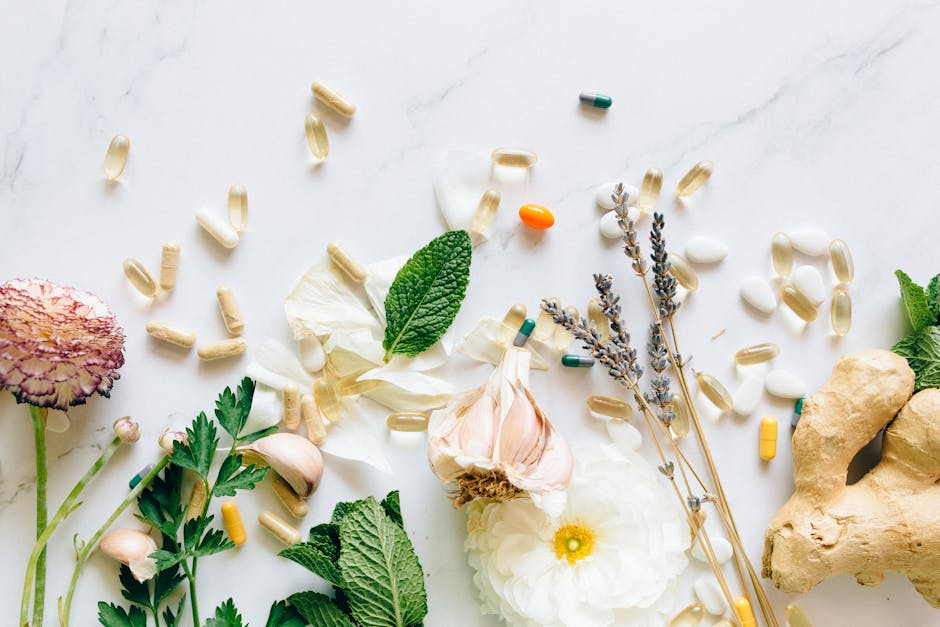
An estrogen supplement can be a natural way to support your hormonal health, especially during life's transitions. Estrogen is a key hormone influencing everything from reproductive health to bone strength, mood, and cognitive function. Your body produces three main types: estradiol, estrone, and estriol.
As women approach their 40s and beyond, estrogen levels naturally decline, leading to perimenopause and menopause. This shift can trigger symptoms like hot flashes, mood swings, and sleep disruption. Fortunately, nature offers gentle, effective solutions.
Top Natural Estrogen Supplements:
- Soy isoflavones
- Black cohosh
- Red clover
- Flax seeds
- DHEA
- Essential vitamins (B vitamins, Vitamin D, and boron)
I'm Dr. Gannon Ward, and through my years of practice in holistic wellness, I've helped countless patients manage hormonal imbalances using natural approaches, including custom estrogen supplement protocols. The right combination of natural support and lifestyle changes can make a profound difference.

Simple estrogen supplement word guide:
Signs and Causes of Low Estrogen: Is Your Body Sending a Signal?
When estrogen levels drop, your body often sends clear signals. Think of these symptoms as your body's way of telling you that something is changing.

Common symptoms of low estrogen include:
- Vasomotor symptoms: Hot flashes and night sweats.
- Physical changes: Vaginal dryness, joint pain, changes in weight distribution, and drier skin and hair.
- Mental and emotional shifts: Mood swings, irritability, and brain fog.
- Other signs: Trouble sleeping, fatigue, irregular periods, and decreased libido.
While menopause and perimenopause are the primary causes, other factors can contribute to low estrogen, such as a hysterectomy (especially with ovary removal), eating disorders, excessive exercise, breastfeeding, and certain cancer treatments.
The only way to know for sure if low estrogen is behind your symptoms is through a blood test ordered by your doctor. This simple test can provide the clarity you need to move forward with the right treatment approach, whether that's a natural estrogen supplement protocol or other therapeutic options.
If several of these symptoms sound familiar, don't ignore what your body is telling you. A conversation with a healthcare professional can help you understand what's happening and explore your options for feeling like yourself again.
Your Guide to the Best Natural Estrogen Supplement Options
When you're dealing with hormonal changes, exploring natural support options can feel like finding a gentle path forward. Many women find comfort in phytoestrogens - nature's clever compounds that can mimic estrogen in your body.
Think of phytoestrogens as nature's gentle helpers. These plant-based compounds work by binding to your estrogen receptors, particularly the beta receptors found in your bones, skin, and brain. They don't create dramatic hormonal shifts like synthetic hormones might. Instead, they offer a softer touch, providing mild estrogen-like effects that can help ease symptoms while supporting your body's natural balance.

The world of natural estrogen supplement options is rich with possibilities. Some have decades of traditional use behind them, while others are backed by modern research. Let's explore what nature has to offer.
Phytoestrogen-Rich Herbal Supplements
Soy: Rich in isoflavones like genistein and daidzein, soy offers compounds that can gently support hormonal balance. What's particularly encouraging is that research suggests a higher soy intake is associated with a lower risk of breast cancer, possibly due to the protective effects of these natural phytoestrogens.
Flax seeds: These are tiny nutritional powerhouses packed with lignans, another type of phytoestrogen. While these golden and brown seeds have been praised for their hormone-balancing potential, it's worth noting that a 2023 meta-analysis found no significant effect of flaxseed on sex hormones in human adults. This doesn't mean flax seeds aren't beneficial - they're still excellent for overall health - but more research is needed to understand their specific impact on estrogen levels.
Black cohosh: This has earned its reputation as a go-to herb for menopausal women. This North American native contains compounds that seem to communicate with estrogen receptors in helpful ways. A 2021 review suggested black cohosh helped reduce some people's symptoms of menopause, particularly those troublesome hot flashes that can disrupt your day and night.
Red clover: This brings another source of isoflavones to the table, and the research here is quite promising. If hot flashes are making your life miserable, you'll be interested to know that research shows this herbal supplement is effective at alleviating hot flashes in menopausal women. A 2021 analysis found that red clover isoflavone extract led to a moderate but meaningful reduction in daily hot flash occurrence.
Dong Quai: A cornerstone of Chinese medicine for women's health, this herb has been used for centuries to support menstruation and ease menopausal transitions. While more research is needed, older studies have identified compounds in dong quai that show estrogenic activity, giving scientific backing to its traditional use.
Chasteberry (Vitex): A 2022 review highlighted its traditional benefits, and an older study from 2013 found that Vitex exhibited estrogenic effects at specific dosages, likely due to a phytoestrogen called apigenin.
Evening Primrose Oil (EPO): This has become a trusted companion for many women navigating hormonal changes. The research shows mixed results, but there's reason for optimism. In one study of over 2,200 women who used EPO after stopping hormone replacement therapy, 889 reported it as useful for controlling low estrogen symptoms. Even more encouraging, a newer study from 2023 found EPO may significantly change FSH and estradiol levels while improving psychological menopausal symptoms.
Essential Vitamins and Minerals for Estrogen Support
Sometimes the most powerful estrogen supplement support comes from ensuring your body has the basic building blocks it needs for healthy hormone production and function.
B vitamins are the behind-the-scenes workers in estrogen creation and activation. While research on their direct effects on hormones shows mixed results, a 2018 study suggests B vitamins may help prevent osteoporosis in menopausal women - a crucial benefit since estrogen helps maintain bone strength. Vitamin B6 deserves special mention for its role in producing serotonin, a neurotransmitter that estrogen levels can significantly influence.
Vitamin D might be called the "sunshine vitamin," but it actually functions as a hormone in your body. Beyond its well-known role in bone health, vitamin D appears to work hand-in-hand with estrogen. A 2021 study suggests that both vitamin D and estrogen work together to reduce the risk of cardiovascular disease, making adequate vitamin D levels essential for overall hormonal health.
Boron might not be on your radar yet, but this trace mineral is gaining recognition for its hormone-supporting properties. Researchers believe that boron influences estrogen receptors, helping your body use available estrogen more effectively. It also supports vitamin D metabolism and magnesium absorption, creating a web of interconnected benefits that's particularly valuable during menopause.
What to Know About DHEA as an Estrogen Supplement
DHEA (dehydroepiandrosterone) occupies a unique space in the natural hormone support world. This hormone, produced by your adrenal glands, serves as a precursor that your body can convert into other hormones, including estrogen and testosterone.
While this conversion ability makes DHEA an intriguing option for estrogen supplement support, the reality is more complex than it might initially appear. A 2022 review of literature concluded that DHEA may provide minimal benefit for mood and quality of life in women with normal adrenal function. The research didn't find consistent evidence for relieving menopause symptoms or improving sexual function, cognition, or overall well-being.
The key point with DHEA is that it requires medical supervision. Unlike gentler plant-based options, DHEA is a hormone precursor that can significantly impact your body's hormonal balance. Taking it without professional guidance could lead to unintended consequences or hormonal imbalances that create new problems while trying to solve existing ones.
Navigating the World of Supplements: Benefits, Risks, and Safety
Choosing to use a natural estrogen supplement can be a powerful step towards reclaiming your wellness. However, like any health decision, it's important to understand what you're getting into - both the promising benefits and the potential pitfalls.
Many women find that natural supplements offer genuine relief from the challenging symptoms of hormonal imbalance. Menopause symptom relief is often the most noticeable benefit - those dreaded hot flashes, night sweats, and vaginal dryness can become much more manageable. Beyond comfort, there's also bone health support to consider. As estrogen levels naturally decline with age, maintaining bone density becomes increasingly important, and some supplements may help fill this gap.
Don't overlook the mental and emotional benefits either. Since estrogen influences both mood and brain function, supporting healthy hormone levels can help clear that frustrating brain fog and smooth out those unexpected mood swings that seem to come out of nowhere.
But here's where things get a bit more complex. The supplement world isn't as regulated as you might expect. Unlike prescription medications, dietary supplements don't need FDA approval before hitting store shelves. This means the quality and potency can vary dramatically between brands - what's on the label isn't always what's in the bottle.
Drug interactions are another serious consideration that many people overlook. Just because something is "natural" doesn't mean it won't interact with your prescription medications or other supplements. Your body doesn't distinguish between natural and synthetic compounds when it comes to how they work together.
There's also the possibility of swinging too far in the other direction. Estrogen dominance can occur when estrogen levels become too high, whether from natural overproduction or excessive supplementation. The symptoms can be just as uncomfortable as low estrogen - think bloating, irregular periods, mood changes, breast tenderness, weight gain around the hips and thighs, decreased libido, fatigue, hair loss, and trouble sleeping.
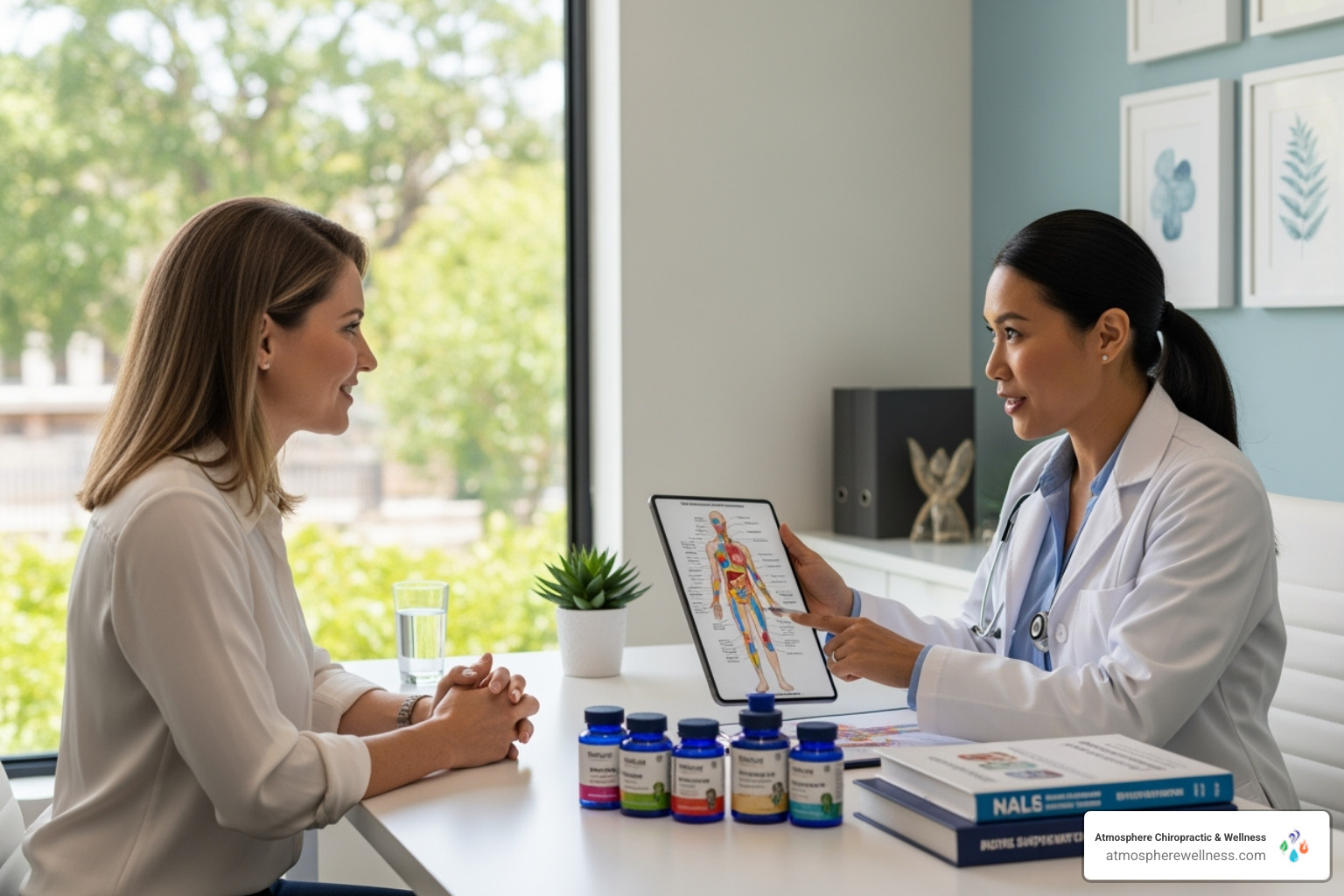
This is exactly why having a conversation with a healthcare professional is so crucial before starting any new estrogen supplement regimen. They can help determine if your estrogen levels are actually low, rule out other conditions that might be causing your symptoms, and guide you toward the safest options for your specific situation.
At Atmosphere Chiropractic & Wellness, we understand that hormone balance is just one piece of your overall wellness puzzle. Our Functional Medicine Lehi services take a comprehensive approach, helping you explore personalized strategies for hormonal balance within a broader health plan that considers your whole body and lifestyle.
When Natural Isn't Enough: Understanding Medical Hormone Therapy
While natural estrogen supplement options can be incredibly helpful for many, there are times when they may not be sufficient to alleviate severe symptoms or address underlying health concerns related to low estrogen.
When to consider seeking medical advice for low estrogen:
- Severe symptoms: If your hot flashes, vaginal dryness, mood swings, or other symptoms are significantly impacting your quality of life and daily functioning.
- Ineffective natural remedies: If you've consistently tried natural approaches for several months and haven't experienced adequate relief.
- Underlying health risks: If you have specific health concerns that low estrogen can exacerbate, such as a high risk of osteoporosis or cardiovascular issues.
In these cases, your healthcare provider may discuss Hormone Replacement Therapy (HRT) as an alternative or complementary treatment. HRT involves replacing the estrogen (and often progesterone, especially if you have an intact uterus) that your body is no longer producing. This can be done using various forms, including traditional synthetic hormones or bioidentical hormones, which are chemically identical to those your body naturally produces.
For more detailed information on HRT, please visit our dedicated page: More info about Hormone Replacement Therapy.
Different delivery methods for HRT offer various benefits and risks, allowing for personalized treatment plans. Here's a comparison of common HRT delivery methods:
| Delivery Method | Benefits | Risks - Pills: Convenient and well-studied, but may affect the liver and carry a slightly higher risk of blood clots.
- Patches: Bypasses the liver and provides a steady hormone release, but can cause skin irritation.
- Gels/Creams: Bypasses the liver and allows for flexible dosing, but care must be taken to avoid transferring it to others through skin contact.
- Vaginal Rings: Offers low-dose, localized treatment for vaginal symptoms, but may not address systemic issues like hot flashes.
Choosing the right HRT method is a personal decision that should be made with your healthcare provider. Learn more about our approach to Hormone Therapy for Women.
Understanding Estrogen and Your Body's Natural Rhythm
An estrogen supplement can be a natural way to support your hormonal health, especially during life's transitions. Estrogen is a key hormone influencing everything from reproductive health to bone strength, mood, and cognitive function. Your body produces three main types: estradiol, estrone, and estriol.
As women approach their 40s and beyond, estrogen levels naturally decline, leading to perimenopause and menopause. This shift can trigger symptoms like hot flashes, mood swings, and sleep disruption. Fortunately, nature offers gentle, effective solutions.
Top Natural Estrogen Supplements:
- Soy isoflavones
- Black cohosh
- Red clover
- Flax seeds
- DHEA
- Essential vitamins (B vitamins, Vitamin D, and boron)
I'm Dr. Gannon Ward, and through my years of practice in holistic wellness, I've helped countless patients manage hormonal imbalances using natural approaches, including custom estrogen supplement protocols. The right combination of natural support and lifestyle changes can make a profound difference.
Simple estrogen supplement word guide:
Signs and Causes of Low Estrogen: Is Your Body Sending a Signal?
When estrogen levels drop, your body often sends clear signals. Think of these symptoms as your body's way of telling you that something is changing.
Common symptoms of low estrogen include:
- Vasomotor symptoms: Hot flashes and night sweats.
- Physical changes: Vaginal dryness, joint pain, changes in weight distribution, and drier skin and hair.
- Mental and emotional shifts: Mood swings, irritability, and brain fog.
- Other signs: Trouble sleeping, fatigue, irregular periods, and decreased libido.
While menopause and perimenopause are the primary causes, other factors can contribute to low estrogen, such as a hysterectomy (especially with ovary removal), eating disorders, excessive exercise, breastfeeding, and certain cancer treatments.
The only way to know for sure if low estrogen is behind your symptoms is through a blood test ordered by your doctor. This simple test can provide the clarity you need to move forward with the right treatment approach, whether that's a natural estrogen supplement protocol or other therapeutic options.
If several of these symptoms sound familiar, don't ignore what your body is telling you. A conversation with a healthcare professional can help you understand what's happening and explore your options for feeling like yourself again.
Your Guide to the Best Natural Estrogen Supplement Options
When you're dealing with hormonal changes, exploring natural support options can feel like finding a gentle path forward. Many women find comfort in phytoestrogens - nature's clever compounds that can mimic estrogen in your body.
Think of phytoestrogens as nature's gentle helpers. These plant-based compounds work by binding to your estrogen receptors, particularly the beta receptors found in your bones, skin, and brain. They don't create dramatic hormonal shifts like synthetic hormones might. Instead, they offer a softer touch, providing mild estrogen-like effects that can help ease symptoms while supporting your body's natural balance.
The world of natural estrogen supplement options is rich with possibilities. Some have decades of traditional use behind them, while others are backed by modern research. Let's explore what nature has to offer.
Phytoestrogen-Rich Herbal Supplements
Soy: Rich in isoflavones like genistein and daidzein, soy offers compounds that can gently support hormonal balance. What's particularly encouraging is that research suggests a higher soy intake is associated with a lower risk of breast cancer, possibly due to the protective effects of these natural phytoestrogens.
Flax seeds: These are tiny nutritional powerhouses packed with lignans, another type of phytoestrogen. While these golden and brown seeds have been praised for their hormone-balancing potential, it's worth noting that a 2023 meta-analysis found no significant effect of flaxseed on sex hormones in human adults. This doesn't mean flax seeds aren't beneficial - they're still excellent for overall health - but more research is needed to understand their specific impact on estrogen levels.
Black cohosh: This has earned its reputation as a go-to herb for menopausal women. This North American native contains compounds that seem to communicate with estrogen receptors in helpful ways. A 2021 review suggested black cohosh helped reduce some people's symptoms of menopause, particularly those troublesome hot flashes that can disrupt your day and night.
Red clover: This brings another source of isoflavones to the table, and the research here is quite promising. If hot flashes are making your life miserable, you'll be interested to know that research shows this herbal supplement is effective at alleviating hot flashes in menopausal women. A 2021 analysis found that red clover isoflavone extract led to a moderate but meaningful reduction in daily hot flash occurrence.
Dong Quai: A cornerstone of Chinese medicine for women's health, this herb has been used for centuries to support menstruation and ease menopausal transitions. While more research is needed, older studies have identified compounds in dong quai that show estrogenic activity, giving scientific backing to its traditional use.
Chasteberry (Vitex): A 2022 review highlighted its traditional benefits, and an older study from 2013 found that Vitex exhibited estrogenic effects at specific dosages, likely due to a phytoestrogen called apigenin.
Evening Primrose Oil (EPO): This has become a trusted companion for many women navigating hormonal changes. The research shows mixed results, but there's reason for optimism. In one study of over 2,200 women who used EPO after stopping hormone replacement therapy, 889 reported it as useful for controlling low estrogen symptoms. Even more encouraging, a newer study from 2023 found EPO may significantly change FSH and estradiol levels while improving psychological menopausal symptoms.
Essential Vitamins and Minerals for Estrogen Support
Sometimes the most powerful estrogen supplement support comes from ensuring your body has the basic building blocks it needs for healthy hormone production and function.
B vitamins are the behind-the-scenes workers in estrogen creation and activation. While research on their direct effects on hormones shows mixed results, a 2018 study suggests B vitamins may help prevent osteoporosis in menopausal women - a crucial benefit since estrogen helps maintain bone strength. Vitamin B6 deserves special mention for its role in producing serotonin, a neurotransmitter that estrogen levels can significantly influence.
Vitamin D might be called the "sunshine vitamin," but it actually functions as a hormone in your body. Beyond its well-known role in bone health, vitamin D appears to work hand-in-hand with estrogen. A 2021 study suggests that both vitamin D and estrogen work together to reduce the risk of cardiovascular disease, making adequate vitamin D levels essential for overall hormonal health.
Boron might not be on your radar yet, but this trace mineral is gaining recognition for its hormone-supporting properties. Researchers believe that boron influences estrogen receptors, helping your body use available estrogen more effectively. It also supports vitamin D metabolism and magnesium absorption, creating a web of interconnected benefits that's particularly valuable during menopause.
What to Know About DHEA as an Estrogen Supplement
DHEA (dehydroepiandrosterone) occupies a unique space in the natural hormone support world. This hormone, produced by your adrenal glands, serves as a precursor that your body can convert into other hormones, including estrogen and testosterone.
While this conversion ability makes DHEA an intriguing option for estrogen supplement support, the reality is more complex than it might initially appear. A 2022 review of literature concluded that DHEA may provide minimal benefit for mood and quality of life in women with normal adrenal function. The research didn't find consistent evidence for relieving menopause symptoms or improving sexual function, cognition, or overall well-being.
The key point with DHEA is that it requires medical supervision. Unlike gentler plant-based options, DHEA is a hormone precursor that can significantly impact your body's hormonal balance. Taking it without professional guidance could lead to unintended consequences or hormonal imbalances that create new problems while trying to solve existing ones.
Navigating the World of Supplements: Benefits, Risks, and Safety
Choosing to use a natural estrogen supplement can be a powerful step towards reclaiming your wellness. However, like any health decision, it's important to understand what you're getting into - both the promising benefits and the potential pitfalls.
Many women find that natural supplements offer genuine relief from the challenging symptoms of hormonal imbalance. Menopause symptom relief is often the most noticeable benefit - those dreaded hot flashes, night sweats, and vaginal dryness can become much more manageable. Beyond comfort, there's also bone health support to consider. As estrogen levels naturally decline with age, maintaining bone density becomes increasingly important, and some supplements may help fill this gap.
Don't overlook the mental and emotional benefits either. Since estrogen influences both mood and brain function, supporting healthy hormone levels can help clear that frustrating brain fog and smooth out those unexpected mood swings that seem to come out of nowhere.
But here's where things get a bit more complex. The supplement world isn't as regulated as you might expect. Unlike prescription medications, dietary supplements don't need FDA approval before hitting store shelves. This means the quality and potency can vary dramatically between brands - what's on the label isn't always what's in the bottle.
Drug interactions are another serious consideration that many people overlook. Just because something is "natural" doesn't mean it won't interact with your prescription medications or other supplements. Your body doesn't distinguish between natural and synthetic compounds when it comes to how they work together.
There's also the possibility of swinging too far in the other direction. Estrogen dominance can occur when estrogen levels become too high, whether from natural overproduction or excessive supplementation. The symptoms can be just as uncomfortable as low estrogen - think bloating, irregular periods, mood changes, breast tenderness, weight gain around the hips and thighs, decreased libido, fatigue, hair loss, and trouble sleeping.
This is exactly why having a conversation with a healthcare professional is so crucial before starting any new estrogen supplement regimen. They can help determine if your estrogen levels are actually low, rule out other conditions that might be causing your symptoms, and guide you toward the safest options for your specific situation.
At Atmosphere Chiropractic & Wellness, we understand that hormone balance is just one piece of your overall wellness puzzle. Our Functional Medicine Lehi services take a comprehensive approach, helping you explore personalized strategies for hormonal balance within a broader health plan that considers your whole body and lifestyle.
When Natural Isn't Enough: Understanding Medical Hormone Therapy
While natural estrogen supplement options can be incredibly helpful for many, there are times when they may not be sufficient to alleviate severe symptoms or address underlying health concerns related to low estrogen.
When to consider seeking medical advice for low estrogen:
- Severe symptoms: If your hot flashes, vaginal dryness, mood swings, or other symptoms are significantly impacting your quality of life and daily functioning.
- Ineffective natural remedies: If you've consistently tried natural approaches for several months and haven't experienced adequate relief.
- Underlying health risks: If you have specific health concerns that low estrogen can exacerbate, such as a high risk of osteoporosis or cardiovascular issues.
In these cases, your healthcare provider may discuss Hormone Replacement Therapy (HRT) as an alternative or complementary treatment. HRT involves replacing the estrogen (and often progesterone, especially if you have an intact uterus) that your body is no longer producing. This can be done using various forms, including traditional synthetic hormones or bioidentical hormones, which are chemically identical to those your body naturally produces.
For more detailed information on HRT, please visit our dedicated page: More info about Hormone Replacement Therapy.
Different delivery methods for HRT offer various benefits and risks, allowing for personalized treatment plans. Here's a comparison of common HRT delivery methods:
| Delivery Method | Benefits | Risks - Pills: Convenient and well-studied, but may affect the liver and carry a slightly higher risk of blood clots.
- Patches: Bypasses the liver and provides a steady hormone release, but can cause skin irritation.
- Gels/Creams: Bypasses the liver and allows for flexible dosing, but care must be taken to avoid transferring it to others through skin contact.
- Vaginal Rings: Offers low-dose, localized treatment for vaginal symptoms, but may not address systemic issues like hot flashes.
Choosing the right HRT method is a personal decision that should be made with your healthcare provider. Learn more about our approach to Hormone Therapy for Women.


