
How Medication-Assisted Treatment Paves the Way for Sustainable Recovery
Understanding How Medication-Assisted Treatment Transforms Lives
When facing substance use disorders, many people ask how medication-assisted treatment supports recovery. MAT combines FDA-approved medications with counseling and behavioral therapies for a whole-person approach. It normalizes brain chemistry, reduces cravings, blocks euphoric effects, and relieves withdrawal symptoms, allowing individuals to focus on rebuilding their lives.
Here's how MAT supports recovery:
- Reduces withdrawal and cravings so patients can engage in therapy
- Normalizes brain chemistry affected by prolonged substance use
- Blocks euphoric effects of opioids and alcohol
- Increases treatment retention rates
- Decreases overdose deaths for opioid use disorder
- Improves overall functioning, including employment and health
- Provides customized long-term support
Substance use disorder is a chronic medical illness, not a moral failing. Like diabetes or heart disease, it requires ongoing medical treatment. Recovery is possible, and MAT is one of the most effective approaches available. The science shows that medication for opioid use disorder decreases the risk for overdose and death. When combined with counseling, MAT offers hope for lasting recovery by treating the whole person.
As Dr. Gannon Ward at Atmosphere Chiropractic and Wellness in Lehi, Utah, I've spent years helping patients achieve optimal health through holistic approaches. While understanding how medication-assisted treatment supports recovery is outside traditional chiropractic care, I recognize that true wellness requires addressing all factors affecting health. Our practice supports the body's healing processes through services like Red Light Therapy, Cryotherapy, and other evidence-based modalities.

How medication-assisted treatment supports recovery basics:
What is Medication-Assisted Treatment (MAT)?
Medication-Assisted Treatment (MAT) is an evidence-based, whole-person approach to substance use disorders. It combines FDA-approved medications with counseling and behavioral therapies to address both the physical and psychological aspects of addiction. MAT provides the support your brain and body need to heal while you address the root causes of the disorder.
The goal of MAT is full recovery, which means reclaiming your health, rebuilding relationships, and living a self-directed life. It is most commonly used for Opioid Use Disorder (OUD) and Alcohol Use Disorder (AUD), conditions that fundamentally change brain function and are difficult to manage with willpower alone.
MAT works by normalizing brain chemistry that has been altered by prolonged substance use. The medications help restore chemical balance, relieving intense cravings and reducing withdrawal symptoms that can make recovery feel impossible.
A common misconception is that MAT is substituting one addiction for another, but this is untrue. The medications are prescribed and monitored by healthcare professionals and do not produce a euphoric "high." Instead, they allow your brain to function normally so you can focus on therapy and work toward lasting recovery. Just as a person with diabetes takes insulin to manage a chronic illness, MAT is a medical treatment for a medical condition.
The Science Behind MAT
Understanding how medication-assisted treatment supports recovery begins with recognizing that addiction is a brain disease, not a character flaw. Repeated use of substances like opioids or alcohol hijacks the brain's reward system - the dopamine pathways - and rewires it to prioritize drug-seeking above all else.
Over time, the brain's chemistry changes, impairing its natural ability to feel pleasure and motivation. MAT medications work at the neurochemical level to restore balance. Some reduce cravings, while others block the euphoric effects of substances, removing the reward that reinforces use. This is analogous to how medication for chronic diseases like diabetes or hypertension supports the body while a person makes necessary lifestyle changes.
Who is a Candidate for MAT?
Determining if MAT is right for you starts with a thorough physician assessment. Treatment is not one-size-fits-all; every plan must be individualized. A provider will evaluate the severity of addiction, your overall patient's health status, and any co-occurring disorders like depression or anxiety, which often fuel substance use. Effective MAT programs address both addiction and mental health issues simultaneously.
Your patient preference is also vital. Shared decision-making, where you and your provider collaborate on a treatment plan, builds the trust and commitment essential for success. When you are an active participant in your care, you are more likely to stick with the hard work of recovery and achieve your goals.
How Medication-Assisted Treatment Supports Recovery on a Biological Level
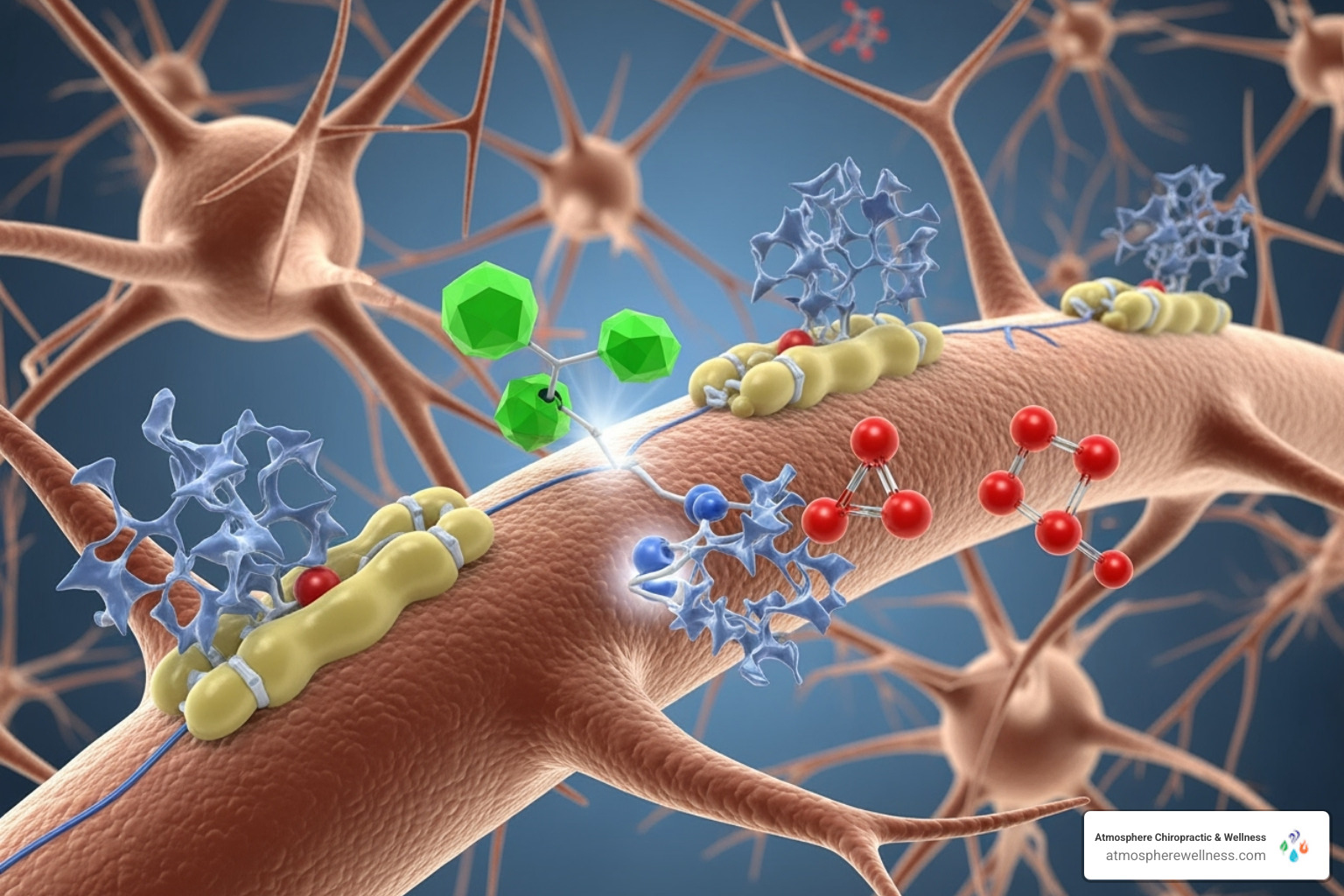
Understanding how medication-assisted treatment supports recovery biologically shows why it's so effective. Substance dependence causes profound changes in the brain. When the substance is removed, the body rebels with withdrawal symptoms that can be uncomfortable and even dangerous.
MAT is life-changing because the FDA-approved medications interact with the same brain receptors affected by opioids or alcohol, but in a controlled, therapeutic way. They create stability by alleviating withdrawal symptoms and reducing cravings. This helps normalize brain chemistry, giving your brain the support it needs to heal while you work on the psychological aspects of recovery.
This biological support isn't about getting "high." It's about creating a stable foundation so you can engage in therapy, rebuild relationships, and focus on your life. Without this stability, many people are trapped in a cycle of withdrawal and cravings that makes progress nearly impossible.
Medications for Opioid Use Disorder (OUD)
For opioid use disorder, the three FDA-approved medications each work differently to help the brain find balance.
Methadone, a full opioid agonist, has been used for decades. It activates opioid receptors in a controlled way, eliminating the highs and lows of illicit use. Prescribed through regulated programs, it reduces withdrawal and cravings, blocks the effects of other opioids, and helps patients feel stable enough to focus on recovery.
Buprenorphine, a partial opioid agonist (often in Suboxone), binds to opioid receptors but only partially activates them. This relieves withdrawal and cravings without a significant euphoric effect. It has a "ceiling effect," making it safer and less likely to be misused, allowing many patients to return to work and family life.
Naltrexone, an opioid antagonist, takes a different approach. Available as a pill or a monthly injection (Vivitrol), it blocks opioid receptors entirely. If someone uses opioids while on naltrexone, they won't feel the effects, which removes the reward and helps prevent relapse. A person must be fully detoxed from opioids before starting naltrexone.
These medications give your brain the space to heal from the changes caused by opioid use. For more detail, SAMHSA provides an evidence-based guide on OUD medications.
Medications for Alcohol Use Disorder (AUD)
MAT is also valuable for alcohol use disorder, with medications that reduce cravings or make drinking less rewarding.
Naltrexone also works for alcohol recovery by blocking the endorphin release that makes drinking feel pleasurable. Many people find that alcohol simply loses its appeal while they are on naltrexone.
Acamprosate helps restore the balance of neurotransmitters disrupted by long-term alcohol use. It can relieve post-acute withdrawal symptoms like anxiety and restlessness, helping people who have already stopped drinking maintain abstinence.
Disulfiram works by causing an unpleasant physical reaction (nausea, headache, flushing) if you consume alcohol. This creates a powerful deterrent and works best for highly motivated individuals who want an extra layer of accountability.
These medications provide the biological support that makes the psychological work of recovery possible. For more information, see SAMHSA's brief guide on medications for AUD.
The Integrated Approach: Combining Medication with Therapy

Medication alone is not enough. How medication-assisted treatment supports recovery becomes truly powerful when combined with counseling and behavioral therapy. Medication stabilizes your body and quiets cravings, but therapy teaches you how to rebuild your life.
This comprehensive approach treats the whole person, addressing not just physical dependence but also the emotional wounds and thought patterns that contribute to substance use. Medication creates stability, allowing you to engage in therapy without being overwhelmed by withdrawal or cravings. Therapy, in turn, gives you the tools to handle stress and build a life free from substances.
The Role of Counseling and Behavioral Therapies
Therapy equips you with practical skills for navigating life's challenges. These approaches address the root causes of addiction, helping you develop coping skills and build resilience.
- Cognitive-Behavioral Therapy (CBT) helps you identify and change harmful thought patterns that lead to substance use. It teaches you to challenge automatic negative thoughts and replace them with healthier coping mechanisms.
- Individual counseling provides a safe, private space to work through personal issues like trauma or co-occurring mental health conditions and develop a personalized relapse prevention plan.
- Group therapy offers a powerful sense of community with others who understand your struggle. It helps you practice social skills, gain insights, and realize you are not alone.
The Importance of Support Systems
Recovery rarely happens in isolation. A strong support network of healthcare providers, family, and peers is crucial.
- Healthcare providers manage your medications, monitor your progress, and adjust your treatment plan. At Atmosphere Chiropractic & Wellness, we offer complementary therapies like massage and stress-reduction services to support overall well-being during recovery.
- Family involvement can be incredibly healing. When family members understand addiction as a medical condition, they can provide emotional support and help create a stable home environment.
- Peer support groups like Alcoholics Anonymous, Narcotics Anonymous, or SMART Recovery connect you with others on a similar path. These groups foster a sense of belonging and offer living proof that recovery is possible.
It's important to find a supportive, non-judgmental environment. Patient perspectives on MAT program policies show that experiences can vary, so if one group doesn't feel right, try another. Your recovery is too important to settle for a space that doesn't honor your treatment choices.
The Proven Benefits and Effectiveness of MAT
The research on how medication-assisted treatment supports recovery tells a story of hope and measurable change. MAT is one of the most effective approaches for substance use disorders, with benefits that touch every aspect of a person's life.
Perhaps the most critical benefit is that MAT significantly increases survival rates. Medications like methadone and buprenorphine drastically reduce the risk of fatal overdose. People in MAT programs are also more likely to stay in treatment longer, which is a strong predictor of long-term success. When you're not battling withdrawal and cravings, you can focus on the therapeutic work of healing.
MAT also helps decrease or eliminate illicit substance use. By reducing cravings and blocking euphoric effects, these medications remove the motivation to use. This leads to reduced criminal activity as people break free from cycles of illegal behavior. The benefits extend to social functioning, as stability allows individuals to gain and maintain employment and rebuild relationships.
MAT also helps decrease the transmission of infectious diseases like HIV and Hepatitis C by reducing injection drug use. From an economic standpoint, medications for opioid use disorder are cost-effective, reducing the burden on healthcare and justice systems. As SAMHSA's Principles of Drug Addiction Treatment emphasize, evidence-based practices like MAT lead to better long-term outcomes and significantly reduce relapse rates.
How Medication-Assisted Treatment Supports Recovery for Pregnant Individuals
For pregnant women with opioid use disorder, MAT is essential. The American College of Obstetricians and Gynecologists recommends MAT as the first-line treatment during pregnancy because it is safer and more effective than attempting medically supervised withdrawal.
Withdrawal during pregnancy carries significant risks for both mother and fetus, including a higher rate of return to opioid use. Medications like methadone and buprenorphine stabilize the mother's condition, allowing her to focus on prenatal care. Women on MAT are more likely to attend prenatal appointments and avoid the risks of illicit drug use.
This leads to improved birth outcomes for both mother and baby. While some infants may experience manageable neonatal abstinence syndrome (NAS), this is far safer than the complications of untreated OUD. MAT gives both mother and child the best possible start for a healthy future together.
Finding Supportive Services and Starting the Journey
Taking the first step toward recovery can feel overwhelming, but help is accessible. Understanding how medication-assisted treatment supports recovery is important, but knowing how to access these services is what turns knowledge into action.

How to Find Recovery Support and Providers
Your journey often begins with a conversation with a physician or an addiction medicine specialist. They can assess your situation and help determine the best treatment approach. Several excellent resources can help you locate MAT services:
- FindTreatment.gov: A confidential tool from SAMHSA to locate substance use treatment facilities across the U.S.
- SAMHSA's National Helpline: Call 1-800-662-HELP (4357) for 24/7 confidential support and treatment referrals in English and Spanish.
- Opioid Treatment Program Directory: A list of federally certified facilities providing comprehensive OUD treatment, including methadone.
- Buprenorphine Practitioner Locator: Helps you find qualified doctors in your area authorized to prescribe buprenorphine, often in an office setting.
Most insurance plans, including Medicaid and Medicare, cover MAT services. Contact providers to discuss your coverage and payment options.
Long-Term Outcomes and How Medication-Assisted Treatment Supports Recovery
MAT is proven to support sustainable, long-term recovery by providing the stability needed to rebuild a life. The duration of treatment varies, as it is personalized to each individual's needs, similar to managing other chronic health conditions. The decision on treatment length is made collaboratively with a healthcare provider.
As medication stabilizes brain chemistry, individuals can work on the deeper aspects of recovery. This leads to significant improvements in all areas of life:
- Improved quality of life: Waking up without cravings and having the energy to enjoy life.
- Rebuilding relationships: Being present and reliable for family and friends.
- Gaining and maintaining employment: Achieving financial stability and self-sufficiency.
Individuals in long-term recovery through MAT report living a self-directed life, pursuing their own goals, and contributing to their communities. Research shows that those who fully engage in MAT have significantly better long-term outcomes, are more likely to remain substance-free, and report greater life satisfaction. Recovery is possible, and MAT provides a proven pathway to get there.
Frequently Asked Questions about Medication-Assisted Treatment
It's natural to have questions about MAT. Here are clear answers to some of the most common ones.
Is MAT just replacing one addiction with another?
No, MAT is not replacing one addiction with another. This is a common and dangerous misconception. MAT uses prescribed medications to normalize brain chemistry, not to produce a "high." These medications relieve withdrawal and cravings, allowing the brain to heal so you can engage in therapy and rebuild your life. It's medical treatment for a chronic brain disease, much like taking insulin for diabetes.
How long does MAT last?
The duration of MAT varies for each person. There is no one-size-fits-all timeline. For some, treatment may last several months; for others, it may continue for years or even become a lifelong therapy, similar to managing other chronic conditions like high blood pressure.
The decision is always made collaboratively between you and your healthcare provider, based on your progress, stability, and personal goals. Research shows that longer treatment durations are often associated with better outcomes, so the goal is sustained recovery, not meeting an arbitrary deadline.
Is MAT safe and effective?
Yes, MAT is safe and highly effective. It is considered the gold standard for treating opioid use disorder and is also effective for alcohol use disorder. All medications used in MAT are FDA-approved, having undergone rigorous testing for safety and efficacy.
As an evidence-based practice, MAT is supported by decades of research showing it reduces overdose deaths, increases treatment retention, and improves overall health. When administered by qualified professionals, the benefits of MAT far outweigh the risks of untreated substance use disorder.
Conclusion
Recovery from substance use disorder is possible, and how medication-assisted treatment supports recovery provides a proven path forward. By combining FDA-approved medications with counseling, MAT treats addiction as the chronic medical condition it is. Medication stabilizes brain chemistry to reduce cravings and withdrawal, while therapy provides the skills to rebuild your life. This integrated approach leads to reduced overdose deaths, higher treatment retention, and reclaimed lives.
At Atmosphere Chiropractic & Wellness in Lehi, Utah, we know that true health is multidimensional. While we specialize in services like chiropractic care, cryotherapy, and massage, we recognize that wellness encompasses every aspect of your life. For those in recovery, complementary therapies can provide valuable support. Massage can ease tension, red light therapy may support cellular healing, and cryotherapy can help manage stress and improve sleep.
These services are not replacements for MAT but are additional tools to improve your overall well-being on the path to recovery. The physical and emotional toll of recovery is real, and caring for your whole self - body, mind, and spirit - strengthens every step you take.
Explore wellness therapies to support your recovery journey.
Understanding How Medication-Assisted Treatment Transforms Lives
When facing substance use disorders, many people ask how medication-assisted treatment supports recovery. MAT combines FDA-approved medications with counseling and behavioral therapies for a whole-person approach. It normalizes brain chemistry, reduces cravings, blocks euphoric effects, and relieves withdrawal symptoms, allowing individuals to focus on rebuilding their lives.
Here's how MAT supports recovery:
- Reduces withdrawal and cravings so patients can engage in therapy
- Normalizes brain chemistry affected by prolonged substance use
- Blocks euphoric effects of opioids and alcohol
- Increases treatment retention rates
- Decreases overdose deaths for opioid use disorder
- Improves overall functioning, including employment and health
- Provides customized long-term support
Substance use disorder is a chronic medical illness, not a moral failing. Like diabetes or heart disease, it requires ongoing medical treatment. Recovery is possible, and MAT is one of the most effective approaches available. The science shows that medication for opioid use disorder decreases the risk for overdose and death. When combined with counseling, MAT offers hope for lasting recovery by treating the whole person.
As Dr. Gannon Ward at Atmosphere Chiropractic and Wellness in Lehi, Utah, I've spent years helping patients achieve optimal health through holistic approaches. While understanding how medication-assisted treatment supports recovery is outside traditional chiropractic care, I recognize that true wellness requires addressing all factors affecting health. Our practice supports the body's healing processes through services like Red Light Therapy, Cryotherapy, and other evidence-based modalities.
How medication-assisted treatment supports recovery basics:
What is Medication-Assisted Treatment (MAT)?
Medication-Assisted Treatment (MAT) is an evidence-based, whole-person approach to substance use disorders. It combines FDA-approved medications with counseling and behavioral therapies to address both the physical and psychological aspects of addiction. MAT provides the support your brain and body need to heal while you address the root causes of the disorder.
The goal of MAT is full recovery, which means reclaiming your health, rebuilding relationships, and living a self-directed life. It is most commonly used for Opioid Use Disorder (OUD) and Alcohol Use Disorder (AUD), conditions that fundamentally change brain function and are difficult to manage with willpower alone.
MAT works by normalizing brain chemistry that has been altered by prolonged substance use. The medications help restore chemical balance, relieving intense cravings and reducing withdrawal symptoms that can make recovery feel impossible.
A common misconception is that MAT is substituting one addiction for another, but this is untrue. The medications are prescribed and monitored by healthcare professionals and do not produce a euphoric "high." Instead, they allow your brain to function normally so you can focus on therapy and work toward lasting recovery. Just as a person with diabetes takes insulin to manage a chronic illness, MAT is a medical treatment for a medical condition.
The Science Behind MAT
Understanding how medication-assisted treatment supports recovery begins with recognizing that addiction is a brain disease, not a character flaw. Repeated use of substances like opioids or alcohol hijacks the brain's reward system - the dopamine pathways - and rewires it to prioritize drug-seeking above all else.
Over time, the brain's chemistry changes, impairing its natural ability to feel pleasure and motivation. MAT medications work at the neurochemical level to restore balance. Some reduce cravings, while others block the euphoric effects of substances, removing the reward that reinforces use. This is analogous to how medication for chronic diseases like diabetes or hypertension supports the body while a person makes necessary lifestyle changes.
Who is a Candidate for MAT?
Determining if MAT is right for you starts with a thorough physician assessment. Treatment is not one-size-fits-all; every plan must be individualized. A provider will evaluate the severity of addiction, your overall patient's health status, and any co-occurring disorders like depression or anxiety, which often fuel substance use. Effective MAT programs address both addiction and mental health issues simultaneously.
Your patient preference is also vital. Shared decision-making, where you and your provider collaborate on a treatment plan, builds the trust and commitment essential for success. When you are an active participant in your care, you are more likely to stick with the hard work of recovery and achieve your goals.
How Medication-Assisted Treatment Supports Recovery on a Biological Level
Understanding how medication-assisted treatment supports recovery biologically shows why it's so effective. Substance dependence causes profound changes in the brain. When the substance is removed, the body rebels with withdrawal symptoms that can be uncomfortable and even dangerous.
MAT is life-changing because the FDA-approved medications interact with the same brain receptors affected by opioids or alcohol, but in a controlled, therapeutic way. They create stability by alleviating withdrawal symptoms and reducing cravings. This helps normalize brain chemistry, giving your brain the support it needs to heal while you work on the psychological aspects of recovery.
This biological support isn't about getting "high." It's about creating a stable foundation so you can engage in therapy, rebuild relationships, and focus on your life. Without this stability, many people are trapped in a cycle of withdrawal and cravings that makes progress nearly impossible.
Medications for Opioid Use Disorder (OUD)
For opioid use disorder, the three FDA-approved medications each work differently to help the brain find balance.
Methadone, a full opioid agonist, has been used for decades. It activates opioid receptors in a controlled way, eliminating the highs and lows of illicit use. Prescribed through regulated programs, it reduces withdrawal and cravings, blocks the effects of other opioids, and helps patients feel stable enough to focus on recovery.
Buprenorphine, a partial opioid agonist (often in Suboxone), binds to opioid receptors but only partially activates them. This relieves withdrawal and cravings without a significant euphoric effect. It has a "ceiling effect," making it safer and less likely to be misused, allowing many patients to return to work and family life.
Naltrexone, an opioid antagonist, takes a different approach. Available as a pill or a monthly injection (Vivitrol), it blocks opioid receptors entirely. If someone uses opioids while on naltrexone, they won't feel the effects, which removes the reward and helps prevent relapse. A person must be fully detoxed from opioids before starting naltrexone.
These medications give your brain the space to heal from the changes caused by opioid use. For more detail, SAMHSA provides an evidence-based guide on OUD medications.
Medications for Alcohol Use Disorder (AUD)
MAT is also valuable for alcohol use disorder, with medications that reduce cravings or make drinking less rewarding.
Naltrexone also works for alcohol recovery by blocking the endorphin release that makes drinking feel pleasurable. Many people find that alcohol simply loses its appeal while they are on naltrexone.
Acamprosate helps restore the balance of neurotransmitters disrupted by long-term alcohol use. It can relieve post-acute withdrawal symptoms like anxiety and restlessness, helping people who have already stopped drinking maintain abstinence.
Disulfiram works by causing an unpleasant physical reaction (nausea, headache, flushing) if you consume alcohol. This creates a powerful deterrent and works best for highly motivated individuals who want an extra layer of accountability.
These medications provide the biological support that makes the psychological work of recovery possible. For more information, see SAMHSA's brief guide on medications for AUD.
The Integrated Approach: Combining Medication with Therapy
Medication alone is not enough. How medication-assisted treatment supports recovery becomes truly powerful when combined with counseling and behavioral therapy. Medication stabilizes your body and quiets cravings, but therapy teaches you how to rebuild your life.
This comprehensive approach treats the whole person, addressing not just physical dependence but also the emotional wounds and thought patterns that contribute to substance use. Medication creates stability, allowing you to engage in therapy without being overwhelmed by withdrawal or cravings. Therapy, in turn, gives you the tools to handle stress and build a life free from substances.
The Role of Counseling and Behavioral Therapies
Therapy equips you with practical skills for navigating life's challenges. These approaches address the root causes of addiction, helping you develop coping skills and build resilience.
- Cognitive-Behavioral Therapy (CBT) helps you identify and change harmful thought patterns that lead to substance use. It teaches you to challenge automatic negative thoughts and replace them with healthier coping mechanisms.
- Individual counseling provides a safe, private space to work through personal issues like trauma or co-occurring mental health conditions and develop a personalized relapse prevention plan.
- Group therapy offers a powerful sense of community with others who understand your struggle. It helps you practice social skills, gain insights, and realize you are not alone.
The Importance of Support Systems
Recovery rarely happens in isolation. A strong support network of healthcare providers, family, and peers is crucial.
- Healthcare providers manage your medications, monitor your progress, and adjust your treatment plan. At Atmosphere Chiropractic & Wellness, we offer complementary therapies like massage and stress-reduction services to support overall well-being during recovery.
- Family involvement can be incredibly healing. When family members understand addiction as a medical condition, they can provide emotional support and help create a stable home environment.
- Peer support groups like Alcoholics Anonymous, Narcotics Anonymous, or SMART Recovery connect you with others on a similar path. These groups foster a sense of belonging and offer living proof that recovery is possible.
It's important to find a supportive, non-judgmental environment. Patient perspectives on MAT program policies show that experiences can vary, so if one group doesn't feel right, try another. Your recovery is too important to settle for a space that doesn't honor your treatment choices.
The Proven Benefits and Effectiveness of MAT
The research on how medication-assisted treatment supports recovery tells a story of hope and measurable change. MAT is one of the most effective approaches for substance use disorders, with benefits that touch every aspect of a person's life.
Perhaps the most critical benefit is that MAT significantly increases survival rates. Medications like methadone and buprenorphine drastically reduce the risk of fatal overdose. People in MAT programs are also more likely to stay in treatment longer, which is a strong predictor of long-term success. When you're not battling withdrawal and cravings, you can focus on the therapeutic work of healing.
MAT also helps decrease or eliminate illicit substance use. By reducing cravings and blocking euphoric effects, these medications remove the motivation to use. This leads to reduced criminal activity as people break free from cycles of illegal behavior. The benefits extend to social functioning, as stability allows individuals to gain and maintain employment and rebuild relationships.
MAT also helps decrease the transmission of infectious diseases like HIV and Hepatitis C by reducing injection drug use. From an economic standpoint, medications for opioid use disorder are cost-effective, reducing the burden on healthcare and justice systems. As SAMHSA's Principles of Drug Addiction Treatment emphasize, evidence-based practices like MAT lead to better long-term outcomes and significantly reduce relapse rates.
How Medication-Assisted Treatment Supports Recovery for Pregnant Individuals
For pregnant women with opioid use disorder, MAT is essential. The American College of Obstetricians and Gynecologists recommends MAT as the first-line treatment during pregnancy because it is safer and more effective than attempting medically supervised withdrawal.
Withdrawal during pregnancy carries significant risks for both mother and fetus, including a higher rate of return to opioid use. Medications like methadone and buprenorphine stabilize the mother's condition, allowing her to focus on prenatal care. Women on MAT are more likely to attend prenatal appointments and avoid the risks of illicit drug use.
This leads to improved birth outcomes for both mother and baby. While some infants may experience manageable neonatal abstinence syndrome (NAS), this is far safer than the complications of untreated OUD. MAT gives both mother and child the best possible start for a healthy future together.
Finding Supportive Services and Starting the Journey
Taking the first step toward recovery can feel overwhelming, but help is accessible. Understanding how medication-assisted treatment supports recovery is important, but knowing how to access these services is what turns knowledge into action.
How to Find Recovery Support and Providers
Your journey often begins with a conversation with a physician or an addiction medicine specialist. They can assess your situation and help determine the best treatment approach. Several excellent resources can help you locate MAT services:
- FindTreatment.gov: A confidential tool from SAMHSA to locate substance use treatment facilities across the U.S.
- SAMHSA's National Helpline: Call 1-800-662-HELP (4357) for 24/7 confidential support and treatment referrals in English and Spanish.
- Opioid Treatment Program Directory: A list of federally certified facilities providing comprehensive OUD treatment, including methadone.
- Buprenorphine Practitioner Locator: Helps you find qualified doctors in your area authorized to prescribe buprenorphine, often in an office setting.
Most insurance plans, including Medicaid and Medicare, cover MAT services. Contact providers to discuss your coverage and payment options.
Long-Term Outcomes and How Medication-Assisted Treatment Supports Recovery
MAT is proven to support sustainable, long-term recovery by providing the stability needed to rebuild a life. The duration of treatment varies, as it is personalized to each individual's needs, similar to managing other chronic health conditions. The decision on treatment length is made collaboratively with a healthcare provider.
As medication stabilizes brain chemistry, individuals can work on the deeper aspects of recovery. This leads to significant improvements in all areas of life:
- Improved quality of life: Waking up without cravings and having the energy to enjoy life.
- Rebuilding relationships: Being present and reliable for family and friends.
- Gaining and maintaining employment: Achieving financial stability and self-sufficiency.
Individuals in long-term recovery through MAT report living a self-directed life, pursuing their own goals, and contributing to their communities. Research shows that those who fully engage in MAT have significantly better long-term outcomes, are more likely to remain substance-free, and report greater life satisfaction. Recovery is possible, and MAT provides a proven pathway to get there.
Frequently Asked Questions about Medication-Assisted Treatment
It's natural to have questions about MAT. Here are clear answers to some of the most common ones.
Is MAT just replacing one addiction with another?
No, MAT is not replacing one addiction with another. This is a common and dangerous misconception. MAT uses prescribed medications to normalize brain chemistry, not to produce a "high." These medications relieve withdrawal and cravings, allowing the brain to heal so you can engage in therapy and rebuild your life. It's medical treatment for a chronic brain disease, much like taking insulin for diabetes.
How long does MAT last?
The duration of MAT varies for each person. There is no one-size-fits-all timeline. For some, treatment may last several months; for others, it may continue for years or even become a lifelong therapy, similar to managing other chronic conditions like high blood pressure.
The decision is always made collaboratively between you and your healthcare provider, based on your progress, stability, and personal goals. Research shows that longer treatment durations are often associated with better outcomes, so the goal is sustained recovery, not meeting an arbitrary deadline.
Is MAT safe and effective?
Yes, MAT is safe and highly effective. It is considered the gold standard for treating opioid use disorder and is also effective for alcohol use disorder. All medications used in MAT are FDA-approved, having undergone rigorous testing for safety and efficacy.
As an evidence-based practice, MAT is supported by decades of research showing it reduces overdose deaths, increases treatment retention, and improves overall health. When administered by qualified professionals, the benefits of MAT far outweigh the risks of untreated substance use disorder.
Conclusion
Recovery from substance use disorder is possible, and how medication-assisted treatment supports recovery provides a proven path forward. By combining FDA-approved medications with counseling, MAT treats addiction as the chronic medical condition it is. Medication stabilizes brain chemistry to reduce cravings and withdrawal, while therapy provides the skills to rebuild your life. This integrated approach leads to reduced overdose deaths, higher treatment retention, and reclaimed lives.
At Atmosphere Chiropractic & Wellness in Lehi, Utah, we know that true health is multidimensional. While we specialize in services like chiropractic care, cryotherapy, and massage, we recognize that wellness encompasses every aspect of your life. For those in recovery, complementary therapies can provide valuable support. Massage can ease tension, red light therapy may support cellular healing, and cryotherapy can help manage stress and improve sleep.
These services are not replacements for MAT but are additional tools to improve your overall well-being on the path to recovery. The physical and emotional toll of recovery is real, and caring for your whole self - body, mind, and spirit - strengthens every step you take.
Explore wellness therapies to support your recovery journey.


