
Say Goodbye to Sciatica: A Comprehensive Look at Nerve Pain Therapies
What You Need to Know About Sciatic Nerve Pain Relief
Sciatic nerve pain therapy includes a range of treatments for the pain, numbness, and tingling that radiates from your lower back down your legs. Here's what can help you find relief:
Primary Treatment Options:
- Conservative Care: Ice/heat therapy, stretching, core strengthening, and professional therapies like physical therapy.
- Innovative Therapies: Chiropractic adjustments, massage therapy, cryotherapy, and red light therapy.
- Medical & Surgical Options: When conservative care isn't enough, options may include medications, injections, or surgery as recommended by a medical doctor.
Recovery Timeline: Most people (90-95%) improve without surgery within 4-6 weeks using conservative treatments.
If you're among the 40% of U.S. adults who experience sciatica, you know how debilitating the sharp, shooting pain can be. It can make sitting, standing, and even sleeping feel impossible. The good news is that most cases respond well to treatment, and understanding your options is the first step toward relief.
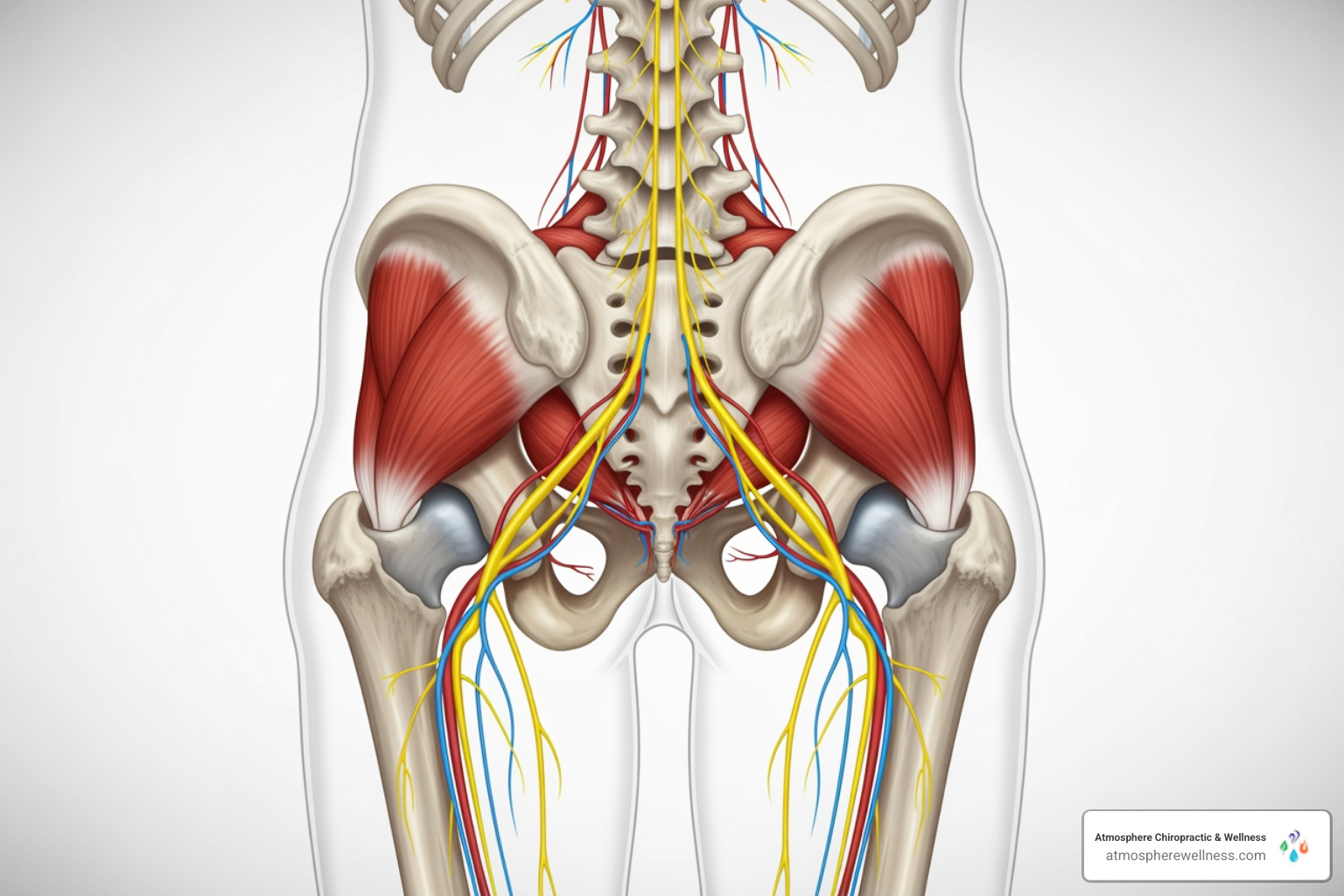
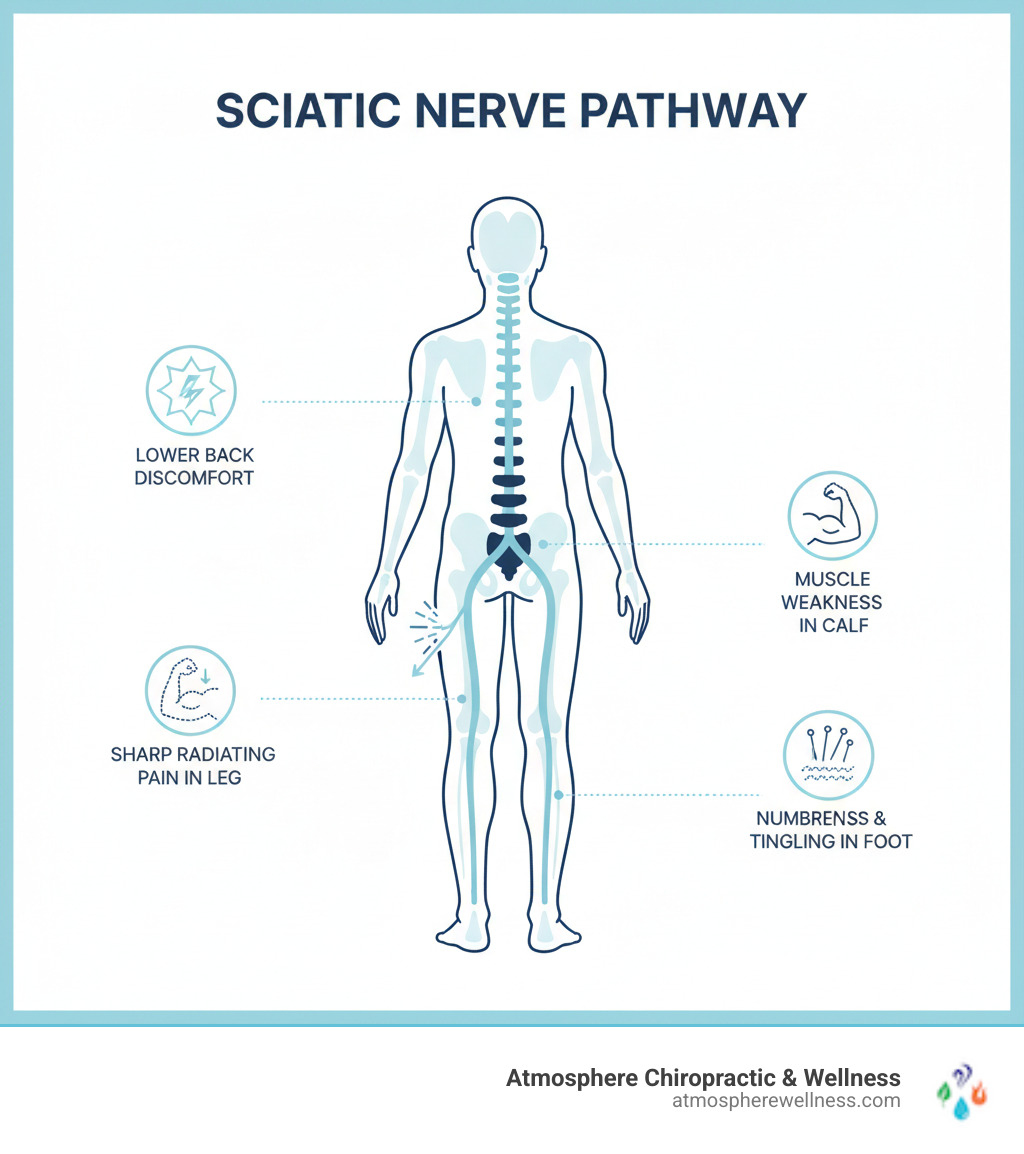
Sciatica occurs when something - usually a herniated disc or bone spur - compresses your sciatic nerve, the longest nerve in your body. This nerve runs from your lower back down each leg, which is why the pain travels so far. The sensation can be a dull ache or a sharp, burning feeling, often with numbness, tingling, or weakness in the leg. Pain often worsens when you sit, cough, or sneeze.
I'm Dr. Gannon Ward, and for over 15 years, I've helped patients find lasting relief from sciatica. At Atmosphere Chiropractic & Wellness in Lehi, Utah, our evidence-based sciatic nerve pain therapy combines chiropractic care with innovative treatments like cryotherapy and red light therapy to address the root cause and accelerate your recovery.
Easy Sciatic nerve pain therapy glossary:
Understanding the Pain: Causes, Symptoms, and Diagnosis
Sciatica isn't a diagnosis - it's a symptom, an alarm system telling you something is irritating your sciatic nerve. The key to effective sciatic nerve pain therapy is figuring out what's setting off that alarm.

The most common cause is a herniated disc in your lower back. When the soft center of a spinal disc pushes out, it can press on the sciatic nerve root, causing inflammation and pain.
Other culprits include spinal stenosis (a narrowing of the spinal canal), piriformis syndrome (when a deep buttock muscle tightens and compresses the nerve), and degenerative disc disease, where age-related wear and tear on spinal discs leads to irritation. For more on this process, see A Brief Review of the Degenerative Intervertebral Disc Disease.
Several factors can trigger sciatica. Pregnancy can cause hormonal changes and added pressure on the spine. Obesity adds extra stress to your lower back, while a sedentary lifestyle with poor posture can contribute to disc issues. Conversely, physically demanding jobs with heavy lifting can also pose a risk without proper body mechanics. Injuries to the lower back can also directly damage the nerve.
Recognizing the Symptoms of Sciatica
Sciatica typically starts in the lower back and radiates down one leg. The pain varies from a dull ache to a sharp, burning sensation or an electric shock. You might also feel numbness, tingling (a "pins and needles" feeling), or muscle weakness in the affected leg or foot.
Certain activities often make it worse, such as sitting for long periods, coughing, sneezing, or even standing up. It's important to distinguish this from general back pain, which usually stays localized in the back. Sciatica's defining feature is the pain that travels down the leg. We can help you determine which you're dealing with. For more on different back pain types, visit our page on Back Pain Relief Lehi.
When to See a Doctor and How It's Diagnosed
While most sciatica improves with self-care, some red flag symptoms require immediate medical attention. Seek emergency care if you experience sudden, severe pain, significant muscle weakness, or - most critically - loss of bowel or bladder control. These could indicate cauda equina syndrome, a serious condition requiring urgent treatment.
When you visit us at Atmosphere Chiropractic & Wellness, we'll start with a thorough history and a physical exam, checking your muscle strength, reflexes, and range of motion. A common diagnostic tool is the straight-leg raise test, where lifting your affected leg while you lie on your back reproduces the pain, strongly suggesting nerve compression.
If pain is severe or persistent, imaging tests may be recommended to get a clearer picture:
- X-rays can reveal bone spurs or other bony issues.
- MRI scans provide detailed images of soft tissues, ideal for identifying herniated discs or spinal stenosis.
- CT scans offer detailed views of bone and sometimes soft tissues.
- An EMG (electromyography) might be used to measure nerve and muscle electrical activity to assess nerve damage.
These tools help us pinpoint the cause of your sciatica, which is essential for creating a customized and effective sciatic nerve pain therapy plan. For more details on diagnosis, you can review Sciatica - Diagnosis and treatment.
Understanding the cause is the first step toward eliminating the pain, which we'll cover next.
Your Guide to Sciatic Nerve Pain Therapy
Most people with sciatica get better without surgery. At Atmosphere Chiropractic & Wellness in Lehi, Utah, our sciatic nerve pain therapy focuses on reducing your pain, restoring function, and preventing future episodes. We start with conservative care and integrate innovative therapies, viewing surgery as a last resort.

Conservative At-Home and Professional Therapies
Relief often begins at home. For the first few days of acute pain, use ice therapy (15-20 minutes at a time) to calm inflammation. After 2-3 days, switch to heat therapy to relax tight muscles. Gentle stretching is also highly beneficial. Three helpful stretches include:
- Knee-to-Chest Stretch: Lie on your back and gently pull one knee toward your chest, holding for 30 seconds.
- Piriformis Stretch: While seated, place the ankle of your affected leg on the opposite knee and lean forward with a straight back.
- Cat-Cow Pose: On your hands and knees, alternate between arching and rounding your spine to improve flexibility.
As pain subsides, low-impact exercise like walking, swimming, or yoga is crucial for promoting circulation and strengthening muscles. A strong core provides natural support for your spine, so exercises like planks are vital for recovery and prevention. If symptoms persist, professional guidance is key. Physical therapy in Lehi can provide a personalized program to correct posture, improve range of motion, and teach proper body mechanics. About 90-95% of sciatica cases resolve with conservative treatments.
Medical Treatments for Sciatic Nerve Pain Therapy
When at-home care isn't enough, medical treatments may be recommended by your doctor. These can include over-the-counter NSAIDs like ibuprofen to reduce inflammation, or prescription medications such as muscle relaxants or nerve pain medications for more severe symptoms. For targeted relief, epidural steroid injections can deliver anti-inflammatory medication directly to the irritated nerve root. These options can be effective but should always be discussed with a medical professional. For more information, the Sciatica. Cleveland Clinic resource offers an excellent overview.
Innovative and Alternative Sciatic Nerve Pain Therapy
At Atmosphere Chiropractic & Wellness, we offer an integrated approach to sciatic nerve pain therapy. Chiropractic adjustments are foundational, improving spinal alignment to reduce pressure on the sciatic nerve. Our Chiropractic Care Lehi Guide 2025 explains how we address underlying spinal issues. Massage therapy improves circulation and releases tight muscles, which is especially helpful for piriformis syndrome. Our Massage Therapist Lehi team targets key trigger points for maximum relief.
We also use innovative therapies that set us apart. Cryotherapy uses brief exposure to extreme cold to reduce inflammation and numb pain. Red light therapy uses specific light wavelengths to promote cellular repair, decrease inflammation, and accelerate healing non-invasively. Having these therapies in one location allows us to create a truly personalized treatment plan.
When Is Surgery the Right Option?
Surgery is rarely the first step. It's typically considered only after conservative treatments fail to provide relief after 6-8 weeks, or in cases of severe, worsening leg weakness or loss of bowel/bladder control (a medical emergency). Common procedures include a microdiscectomy to remove the part of a herniated disc pressing on the nerve, or a laminectomy to create more space in the spinal canal. A discussion with a surgeon is necessary to determine if this path is right for you. Our Injury Recovery Therapy services can support your rehabilitation if you do have surgery.
Prevention, Recovery, and Long-Term Management
The journey with sciatica doesn't end when the pain subsides; that's when the work of prevention begins. A proactive approach is key to maintaining a healthy, active lifestyle.
Small changes in daily habits can protect your sciatic nerve from future irritation. Good posture is essential. When sitting, use a chair that supports your lower back, keep your feet flat on the floor, and position your monitor at eye level. When standing, align your spine as if a string is pulling your head upward.
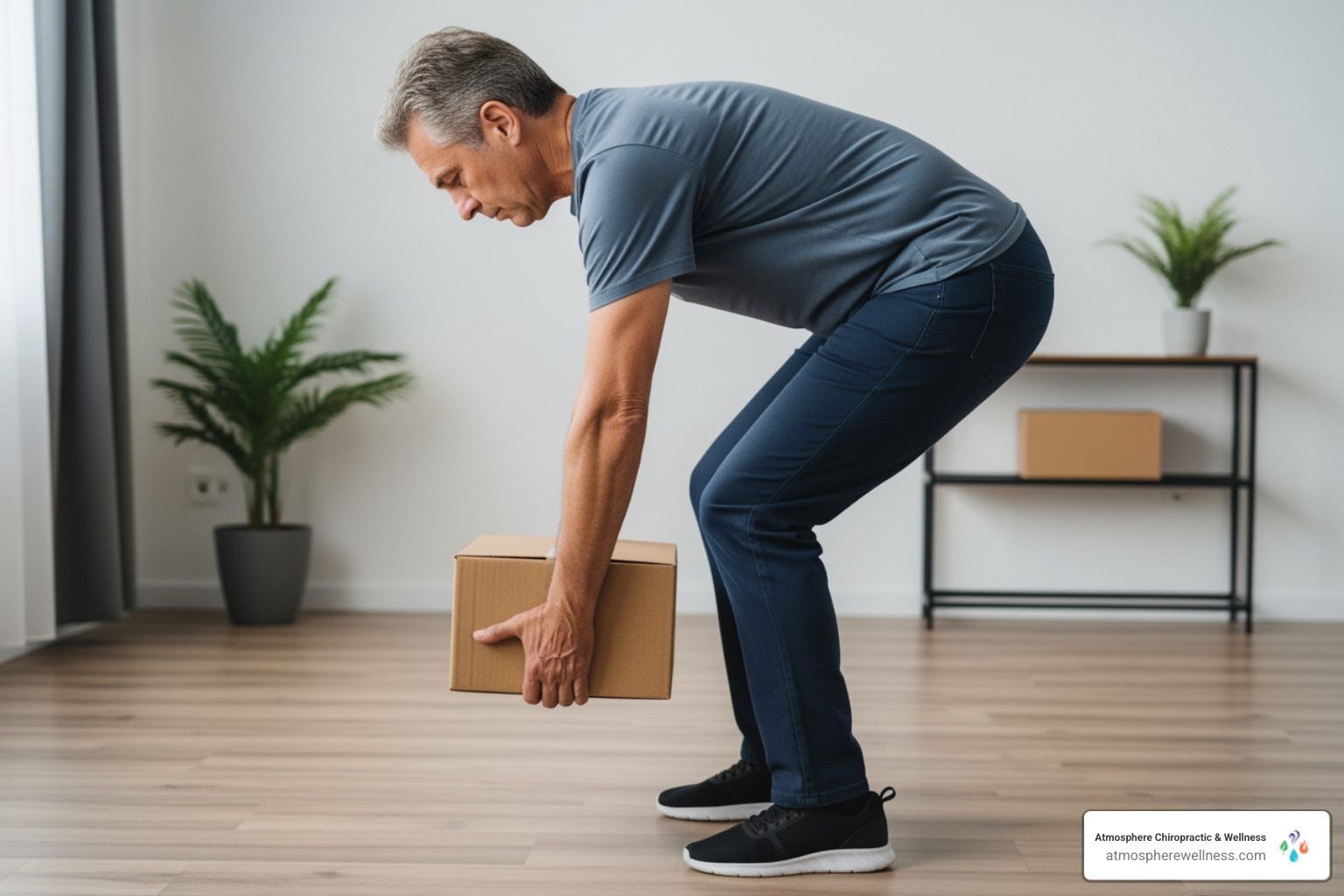
Proper lifting mechanics are crucial. Always bend at your knees, not your waist. Keep the object close to your body and avoid twisting while you lift - move your feet instead.
Maintaining a healthy weight reduces mechanical stress on your spine, as every extra pound adds pressure. Combine this with regular exercise to build a powerful defense. Focus on activities that strengthen your core, maintain flexibility with gentle stretching, and promote circulation with low-impact aerobics like walking or swimming.
The recovery outlook for sciatica is encouraging: 90 to 95 percent of people get better without surgery. Most acute cases improve within four to six weeks with conservative sciatic nerve pain therapy. Chronic cases may take longer but are still very treatable.
Managing flare-ups is a crucial skill. If you experience an occasional return of pain, don't panic. Return to the basics: use ice or heat, perform gentle stretches, and take short walks. Avoid complete bed rest, as it can worsen stiffness. If flare-ups become frequent, it's time to revisit your treatment plan. At Atmosphere Chiropractic & Wellness in Lehi, Utah, we can reassess your condition and adjust your therapy. For more on long-term pain strategies, see our resources on Chronic Pain.
Prevention is about living confidently, knowing you are taking care of your body to support long-term health.
Frequently Asked Questions about Sciatica Relief
I hear these questions all the time from patients in Lehi, Utah, who are looking for answers about their sciatica. Let's tackle the most common ones.
How long does sciatica take to go away?
Many people in pain ask this, and the news is generally good. For most people with acute sciatica, significant improvement is likely within 4 to 6 weeks of starting nonsurgical sciatic nerve pain therapy. If you have chronic sciatica (pain lasting over 8 weeks), recovery may take longer and depends on the underlying cause and your commitment to treatment. It's important to know that waiting more than six months to seek treatment can make a good outcome less likely. The sooner you address the issue, the better your chances of a full recovery.
Is walking good for sciatica?
Yes! This surprises many people, but gentle walking is one of the best things you can do for sciatica. It's a low-impact activity that increases blood flow, keeps muscles engaged, and prevents stiffness without jarring your spine. However, avoid overexertion and high-impact activities during flare-ups. If walking increases your pain, slow down or shorten your walk. Listen to your body; a gentle 10-minute walk is better than pushing through severe pain.
What is the fastest way to get rid of sciatica pain?
While there's no single "fastest" cure, a comprehensive approach that combines multiple therapies typically yields the quickest and most lasting results. Since sciatica can have multiple contributing factors (like a herniated disc and tight muscles), addressing only one won't solve the whole problem. At Atmosphere Chiropractic & Wellness, we've found that combining therapies like chiropractic adjustments and massage often provides fast relief by addressing the root cause. While ice or a stretch can provide temporary relief, a well-rounded sciatic nerve pain therapy plan is what gets you back to your life for good. The fastest way to recovery is to start with a proper assessment to identify the cause of your pain, then commit to a personalized treatment plan.
Conclusion: Your Next Steps to a Pain-Free Life
Living with sciatica doesn't have to be your reality. As we've covered, many effective sciatic nerve pain therapy options exist, from at-home care to professional chiropractic adjustments and innovative treatments like cryotherapy and red light therapy. The path to relief is within reach.
Here's what matters most: understanding the cause of your pain is the foundation for effective treatment. Don't wait to seek help for severe symptoms, and stay active within your comfort zone. A comprehensive, personalized approach is key, as every person's journey with sciatica is different.
This is why we are passionate about creating personalized treatment plans at Atmosphere Chiropractic & Wellness. When you visit us in Lehi, Utah, you receive a thorough assessment followed by a strategy designed for your body and your goals. A proactive approach means building strength, improving posture, and having a team in your corner who understands that prevention is as important as treatment.
About 90% of people with sciatica improve without surgery. With the right combination of therapies, you can be one of them.
If you're ready to take the next step, we're here to help. At Atmosphere Chiropractic & Wellness, we bring together chiropractic care, massage therapy, and innovative treatments all under one roof for comprehensive, coordinated care.
Find your personalized treatment plan with our integrated therapy services. Your journey to relief starts with a single step, and we'd be honored to walk alongside you.
What You Need to Know About Sciatic Nerve Pain Relief
Sciatic nerve pain therapy includes a range of treatments for the pain, numbness, and tingling that radiates from your lower back down your legs. Here's what can help you find relief:
Primary Treatment Options:
- Conservative Care: Ice/heat therapy, stretching, core strengthening, and professional therapies like physical therapy.
- Innovative Therapies: Chiropractic adjustments, massage therapy, cryotherapy, and red light therapy.
- Medical & Surgical Options: When conservative care isn't enough, options may include medications, injections, or surgery as recommended by a medical doctor.
Recovery Timeline: Most people (90-95%) improve without surgery within 4-6 weeks using conservative treatments.
If you're among the 40% of U.S. adults who experience sciatica, you know how debilitating the sharp, shooting pain can be. It can make sitting, standing, and even sleeping feel impossible. The good news is that most cases respond well to treatment, and understanding your options is the first step toward relief.
Sciatica occurs when something - usually a herniated disc or bone spur - compresses your sciatic nerve, the longest nerve in your body. This nerve runs from your lower back down each leg, which is why the pain travels so far. The sensation can be a dull ache or a sharp, burning feeling, often with numbness, tingling, or weakness in the leg. Pain often worsens when you sit, cough, or sneeze.
I'm Dr. Gannon Ward, and for over 15 years, I've helped patients find lasting relief from sciatica. At Atmosphere Chiropractic & Wellness in Lehi, Utah, our evidence-based sciatic nerve pain therapy combines chiropractic care with innovative treatments like cryotherapy and red light therapy to address the root cause and accelerate your recovery.
Easy Sciatic nerve pain therapy glossary:
Understanding the Pain: Causes, Symptoms, and Diagnosis
Sciatica isn't a diagnosis - it's a symptom, an alarm system telling you something is irritating your sciatic nerve. The key to effective sciatic nerve pain therapy is figuring out what's setting off that alarm.
The most common cause is a herniated disc in your lower back. When the soft center of a spinal disc pushes out, it can press on the sciatic nerve root, causing inflammation and pain.
Other culprits include spinal stenosis (a narrowing of the spinal canal), piriformis syndrome (when a deep buttock muscle tightens and compresses the nerve), and degenerative disc disease, where age-related wear and tear on spinal discs leads to irritation. For more on this process, see A Brief Review of the Degenerative Intervertebral Disc Disease.
Several factors can trigger sciatica. Pregnancy can cause hormonal changes and added pressure on the spine. Obesity adds extra stress to your lower back, while a sedentary lifestyle with poor posture can contribute to disc issues. Conversely, physically demanding jobs with heavy lifting can also pose a risk without proper body mechanics. Injuries to the lower back can also directly damage the nerve.
Recognizing the Symptoms of Sciatica
Sciatica typically starts in the lower back and radiates down one leg. The pain varies from a dull ache to a sharp, burning sensation or an electric shock. You might also feel numbness, tingling (a "pins and needles" feeling), or muscle weakness in the affected leg or foot.
Certain activities often make it worse, such as sitting for long periods, coughing, sneezing, or even standing up. It's important to distinguish this from general back pain, which usually stays localized in the back. Sciatica's defining feature is the pain that travels down the leg. We can help you determine which you're dealing with. For more on different back pain types, visit our page on Back Pain Relief Lehi.
When to See a Doctor and How It's Diagnosed
While most sciatica improves with self-care, some red flag symptoms require immediate medical attention. Seek emergency care if you experience sudden, severe pain, significant muscle weakness, or - most critically - loss of bowel or bladder control. These could indicate cauda equina syndrome, a serious condition requiring urgent treatment.
When you visit us at Atmosphere Chiropractic & Wellness, we'll start with a thorough history and a physical exam, checking your muscle strength, reflexes, and range of motion. A common diagnostic tool is the straight-leg raise test, where lifting your affected leg while you lie on your back reproduces the pain, strongly suggesting nerve compression.
If pain is severe or persistent, imaging tests may be recommended to get a clearer picture:
- X-rays can reveal bone spurs or other bony issues.
- MRI scans provide detailed images of soft tissues, ideal for identifying herniated discs or spinal stenosis.
- CT scans offer detailed views of bone and sometimes soft tissues.
- An EMG (electromyography) might be used to measure nerve and muscle electrical activity to assess nerve damage.
These tools help us pinpoint the cause of your sciatica, which is essential for creating a customized and effective sciatic nerve pain therapy plan. For more details on diagnosis, you can review Sciatica - Diagnosis and treatment.
Understanding the cause is the first step toward eliminating the pain, which we'll cover next.
Your Guide to Sciatic Nerve Pain Therapy
Most people with sciatica get better without surgery. At Atmosphere Chiropractic & Wellness in Lehi, Utah, our sciatic nerve pain therapy focuses on reducing your pain, restoring function, and preventing future episodes. We start with conservative care and integrate innovative therapies, viewing surgery as a last resort.
Conservative At-Home and Professional Therapies
Relief often begins at home. For the first few days of acute pain, use ice therapy (15-20 minutes at a time) to calm inflammation. After 2-3 days, switch to heat therapy to relax tight muscles. Gentle stretching is also highly beneficial. Three helpful stretches include:
- Knee-to-Chest Stretch: Lie on your back and gently pull one knee toward your chest, holding for 30 seconds.
- Piriformis Stretch: While seated, place the ankle of your affected leg on the opposite knee and lean forward with a straight back.
- Cat-Cow Pose: On your hands and knees, alternate between arching and rounding your spine to improve flexibility.
As pain subsides, low-impact exercise like walking, swimming, or yoga is crucial for promoting circulation and strengthening muscles. A strong core provides natural support for your spine, so exercises like planks are vital for recovery and prevention. If symptoms persist, professional guidance is key. Physical therapy in Lehi can provide a personalized program to correct posture, improve range of motion, and teach proper body mechanics. About 90-95% of sciatica cases resolve with conservative treatments.
Medical Treatments for Sciatic Nerve Pain Therapy
When at-home care isn't enough, medical treatments may be recommended by your doctor. These can include over-the-counter NSAIDs like ibuprofen to reduce inflammation, or prescription medications such as muscle relaxants or nerve pain medications for more severe symptoms. For targeted relief, epidural steroid injections can deliver anti-inflammatory medication directly to the irritated nerve root. These options can be effective but should always be discussed with a medical professional. For more information, the Sciatica. Cleveland Clinic resource offers an excellent overview.
Innovative and Alternative Sciatic Nerve Pain Therapy
At Atmosphere Chiropractic & Wellness, we offer an integrated approach to sciatic nerve pain therapy. Chiropractic adjustments are foundational, improving spinal alignment to reduce pressure on the sciatic nerve. Our Chiropractic Care Lehi Guide 2025 explains how we address underlying spinal issues. Massage therapy improves circulation and releases tight muscles, which is especially helpful for piriformis syndrome. Our Massage Therapist Lehi team targets key trigger points for maximum relief.
We also use innovative therapies that set us apart. Cryotherapy uses brief exposure to extreme cold to reduce inflammation and numb pain. Red light therapy uses specific light wavelengths to promote cellular repair, decrease inflammation, and accelerate healing non-invasively. Having these therapies in one location allows us to create a truly personalized treatment plan.
When Is Surgery the Right Option?
Surgery is rarely the first step. It's typically considered only after conservative treatments fail to provide relief after 6-8 weeks, or in cases of severe, worsening leg weakness or loss of bowel/bladder control (a medical emergency). Common procedures include a microdiscectomy to remove the part of a herniated disc pressing on the nerve, or a laminectomy to create more space in the spinal canal. A discussion with a surgeon is necessary to determine if this path is right for you. Our Injury Recovery Therapy services can support your rehabilitation if you do have surgery.
Prevention, Recovery, and Long-Term Management
The journey with sciatica doesn't end when the pain subsides; that's when the work of prevention begins. A proactive approach is key to maintaining a healthy, active lifestyle.
Small changes in daily habits can protect your sciatic nerve from future irritation. Good posture is essential. When sitting, use a chair that supports your lower back, keep your feet flat on the floor, and position your monitor at eye level. When standing, align your spine as if a string is pulling your head upward.
Proper lifting mechanics are crucial. Always bend at your knees, not your waist. Keep the object close to your body and avoid twisting while you lift - move your feet instead.
Maintaining a healthy weight reduces mechanical stress on your spine, as every extra pound adds pressure. Combine this with regular exercise to build a powerful defense. Focus on activities that strengthen your core, maintain flexibility with gentle stretching, and promote circulation with low-impact aerobics like walking or swimming.
The recovery outlook for sciatica is encouraging: 90 to 95 percent of people get better without surgery. Most acute cases improve within four to six weeks with conservative sciatic nerve pain therapy. Chronic cases may take longer but are still very treatable.
Managing flare-ups is a crucial skill. If you experience an occasional return of pain, don't panic. Return to the basics: use ice or heat, perform gentle stretches, and take short walks. Avoid complete bed rest, as it can worsen stiffness. If flare-ups become frequent, it's time to revisit your treatment plan. At Atmosphere Chiropractic & Wellness in Lehi, Utah, we can reassess your condition and adjust your therapy. For more on long-term pain strategies, see our resources on Chronic Pain.
Prevention is about living confidently, knowing you are taking care of your body to support long-term health.
Frequently Asked Questions about Sciatica Relief
I hear these questions all the time from patients in Lehi, Utah, who are looking for answers about their sciatica. Let's tackle the most common ones.
How long does sciatica take to go away?
Many people in pain ask this, and the news is generally good. For most people with acute sciatica, significant improvement is likely within 4 to 6 weeks of starting nonsurgical sciatic nerve pain therapy. If you have chronic sciatica (pain lasting over 8 weeks), recovery may take longer and depends on the underlying cause and your commitment to treatment. It's important to know that waiting more than six months to seek treatment can make a good outcome less likely. The sooner you address the issue, the better your chances of a full recovery.
Is walking good for sciatica?
Yes! This surprises many people, but gentle walking is one of the best things you can do for sciatica. It's a low-impact activity that increases blood flow, keeps muscles engaged, and prevents stiffness without jarring your spine. However, avoid overexertion and high-impact activities during flare-ups. If walking increases your pain, slow down or shorten your walk. Listen to your body; a gentle 10-minute walk is better than pushing through severe pain.
What is the fastest way to get rid of sciatica pain?
While there's no single "fastest" cure, a comprehensive approach that combines multiple therapies typically yields the quickest and most lasting results. Since sciatica can have multiple contributing factors (like a herniated disc and tight muscles), addressing only one won't solve the whole problem. At Atmosphere Chiropractic & Wellness, we've found that combining therapies like chiropractic adjustments and massage often provides fast relief by addressing the root cause. While ice or a stretch can provide temporary relief, a well-rounded sciatic nerve pain therapy plan is what gets you back to your life for good. The fastest way to recovery is to start with a proper assessment to identify the cause of your pain, then commit to a personalized treatment plan.
Conclusion: Your Next Steps to a Pain-Free Life
Living with sciatica doesn't have to be your reality. As we've covered, many effective sciatic nerve pain therapy options exist, from at-home care to professional chiropractic adjustments and innovative treatments like cryotherapy and red light therapy. The path to relief is within reach.
Here's what matters most: understanding the cause of your pain is the foundation for effective treatment. Don't wait to seek help for severe symptoms, and stay active within your comfort zone. A comprehensive, personalized approach is key, as every person's journey with sciatica is different.
This is why we are passionate about creating personalized treatment plans at Atmosphere Chiropractic & Wellness. When you visit us in Lehi, Utah, you receive a thorough assessment followed by a strategy designed for your body and your goals. A proactive approach means building strength, improving posture, and having a team in your corner who understands that prevention is as important as treatment.
About 90% of people with sciatica improve without surgery. With the right combination of therapies, you can be one of them.
If you're ready to take the next step, we're here to help. At Atmosphere Chiropractic & Wellness, we bring together chiropractic care, massage therapy, and innovative treatments all under one roof for comprehensive, coordinated care.
Find your personalized treatment plan with our integrated therapy services. Your journey to relief starts with a single step, and we'd be honored to walk alongside you.


