
Pain, Pain, Go Away: Top Therapies for Lasting Relief

Why Finding the Best Pain Relief Therapy Matters Now More Than Ever
Finding the best pain relief therapy means creating a custom plan for your specific pain, lifestyle, and goals. If you're one of the 50 million Americans with chronic pain, you're right to look beyond medication-only approaches.
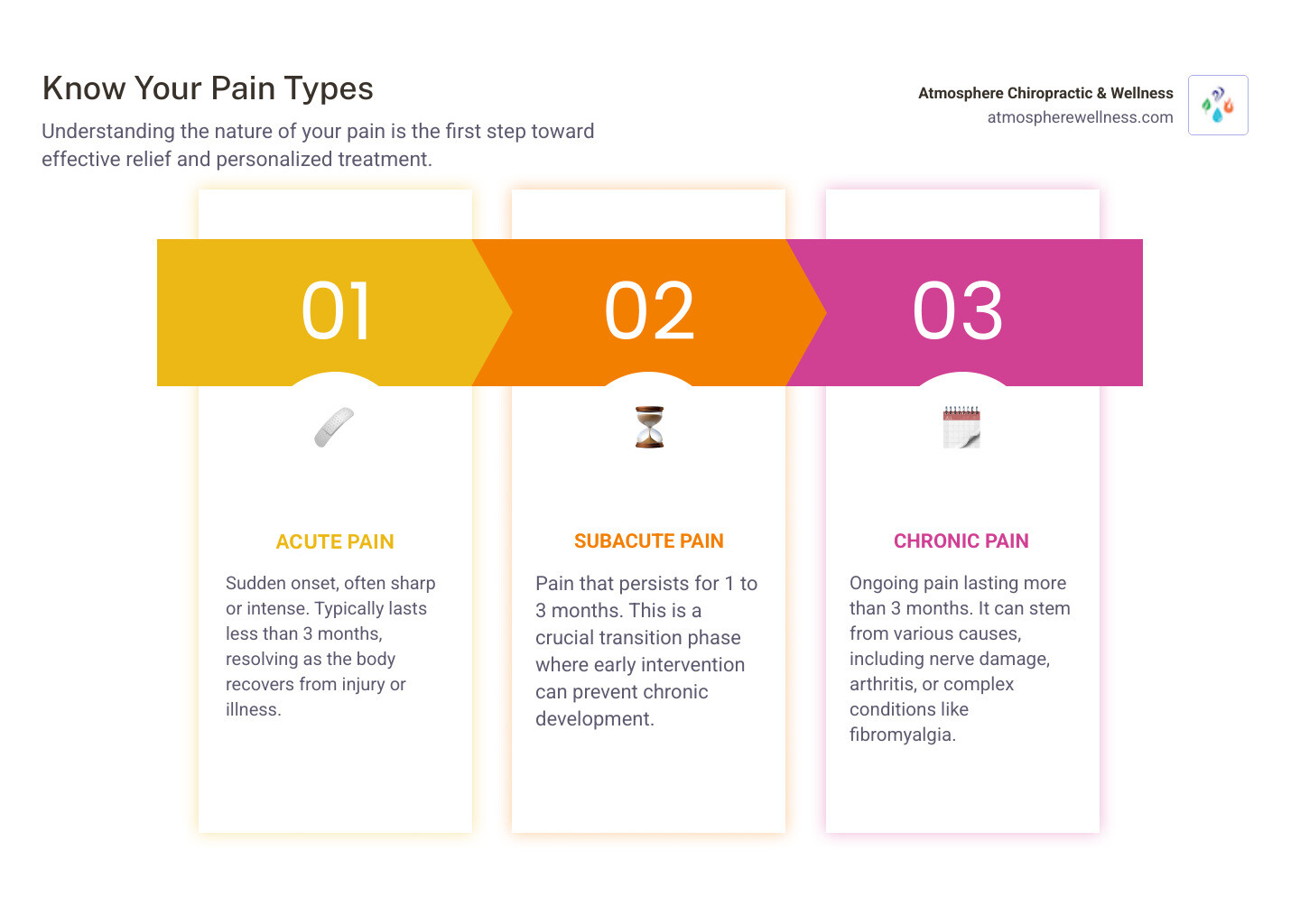
The opioid crisis, which has claimed over 70,000 lives in a single year, has pushed healthcare toward safer, holistic strategies. This means addressing the whole person, not just the symptoms. Pain can be acute (short-term), subacute (1-3 months), or chronic (3+ months), and understanding your type is the first step to relief.
Research shows that non-opioid therapies are often as effective as opioids without the risks. Today's options range from physical therapy and chiropractic care to innovative treatments like red light therapy and cryotherapy.
I'm Gannon Ward, a chiropractor with over 16 years of experience. At Atmosphere Chiropractic & Wellness in Lehi, we combine evidence-based therapies to address the root causes of pain and improve your overall wellness.
Relevant articles related to Best pain relief therapy:
First, Understand Your Pain
The type of pain you have determines the most effective treatment. A proper diagnosis is the first step toward finding the right solution.
Acute pain is your body's immediate alarm system, signaling a specific injury like a sprain or burn. It's sharp and sudden, typically fading as the body heals. Treatment focuses on immediate relief and supporting recovery.
Subacute pain lasts from one to three months. The initial injury may be healing, but the pain persists. This is a critical window where the right treatment can prevent a long-term problem.
Chronic pain persists for three months or longer and affects 50 million Americans. It can stem from conditions like arthritis or linger after an injury has healed. The focus shifts from healing to managing pain and improving quality of life.
Pain also has different sources:
Nociceptive pain results from tissue damage, such as a strained muscle or inflammation. It's often described as aching, throbbing, or sharp.
Neuropathic pain occurs when nerves are damaged or malfunctioning, causing burning, tingling, or shooting sensations. Sciatica and diabetic neuropathy are common examples.
Understanding your specific pain type is essential because treatment strategies differ dramatically. While acute pain may respond to rest and ice, chronic pain often requires a multi-modal approach. A professional diagnosis is the foundation for an effective treatment plan.
Conventional and Pharmacologic Pain Relief
Non-opioid medications can be very effective for pain relief, especially when used under professional guidance. For many common pain types, they work as well as opioids without the significant risks.
Understanding Your Medication Choices
Common non-opioid pain relievers include NSAIDs, acetaminophen, and COX-2 inhibitors. NSAIDs (e.g., ibuprofen) are best for pain involving inflammation, like sprains or arthritis, but long-term use can affect the stomach and kidneys. Acetaminophen (Tylenol) is gentler on the stomach but doesn't reduce inflammation, and overuse can harm the liver. COX-2 inhibitors (e.g., celecoxib) are prescription NSAIDs designed to be easier on the stomach, but they still carry risks, including potential heart and kidney issues.
| Medication Type | Benefits | Risks | Best For |
|---|---|---|---|
| NSAIDs (Nonsteroidal Anti-Inflammatory Drugs) | Reduce pain and inflammation by blocking COX enzymes. Effective for mild to moderate pain. | Can cause stomach pain, bleeding, ulcers, and kidney problems with long-term or high-dose use. Risks increase with age. | Mild to moderate pain with swelling, such as arthritis, muscle sprains, strains, back and neck injuries, menstrual cramps. |
| Acetaminophen (Tylenol) | Generally safer than NSAIDs for stomach and kidneys. Reduces pain. | Liver damage if taken in excessive doses or with alcohol. Doesn't reduce inflammation at the site of injury. | Mild to moderate pain from skin injury, headaches, muscle/bone conditions, osteoarthritis, back pain. |
| COX-2 Inhibitors (e.g., Celecoxib) | Specifically block COX-2 enzyme, potentially reducing stomach side effects compared to traditional NSAIDs. | Can still cause headaches, dizziness, high blood pressure, kidney problems, and may increase risk of heart attack or stroke. | Arthritis and pain from muscle sprains, strains, back and neck injuries, or menstrual cramps, especially for those at risk of gastrointestinal issues with traditional NSAIDs. |
Beyond the Basics: Other Helpful Medications
Certain antidepressants (like SNRIs) can be powerful pain relievers for chronic nerve pain by changing how the brain processes pain signals. Similarly, anti-seizure medications (like gabapentin) are effective for conditions like fibromyalgia and diabetic neuropathy by calming overactive nerves.
The best pain relief therapy from a medication standpoint is highly individual. Your biology, pain cause, and medical history all matter. Partner with your healthcare team to weigh the benefits and risks, starting with the safest options. For more information, review these medication decisions from Mayo Clinic. Medication is just one tool in a comprehensive pain management plan.
Note: Always consult your healthcare provider before starting or changing any medication.
The Best Pain Relief Therapy: A Holistic and Non-Pharmacologic Approach
The landscape of pain management has evolved beyond the pill bottle. The best pain relief therapy is a holistic, non-pharmacologic approach that combines multiple treatments to address the root causes of pain. This integrated strategy, which puts you at the center of your healing, is what we practice at Atmosphere Chiropractic & Wellness.

The CDC's recommendations for nonopioid therapies highlight that active patient participation in integrated plans delivers the best outcomes. This means building a personalized toolkit of therapies that work with your body's natural healing abilities.
Physical and Manual Therapies: The Power of Touch and Movement
Movement is crucial for healing. These therapies restore your body's natural patterns, strength, and balance.
- Physical therapy uses customized exercise programs to improve strength, flexibility, and mobility, teaching you to perform daily activities without pain.
- Massage therapy eases muscle tension, reduces stress, and can distract the brain from pain signals. Our Massage Therapy Lehi Guide explores different techniques.
- Chiropractic care focuses on the spine and nervous system. Gentle adjustments correct misalignments to reduce nerve interference and support natural healing, which is effective for back pain, neck pain, and headaches. Learn more in our Chiropractic Care Lehi Guide 2025.
- Assisted stretching safely improves range of motion and reduces muscle stiffness with the help of a trained professional.
- Red light therapy uses specific light wavelengths to stimulate cellular energy, speed up healing, improve blood flow, and reduce inflammation. Find How Does Red Light Therapy Help with Pain Relief.
- TENS therapy (Transcutaneous Electrical Nerve Stimulation) is a non-invasive device that uses mild electrical impulses to block pain signals and stimulate endorphins. Learn about TENS Therapy Pain Relief.
- Cryotherapy uses brief exposure to intense cold to trigger the release of anti-inflammatory and pain-fighting substances. Explore the benefits in our guide to Cryotherapy for Pain Relief.
Mind-Body Techniques: The Best Pain Relief Therapy for Your Brain
Your brain has tremendous power over how you experience pain. These techniques help you regain control and calm your nervous system.

- Cognitive Behavioral Therapy (CBT) helps you identify and change negative thought patterns related to pain, which can lower distress and improve daily function.
- Meditation and Mindfulness-Based Stress Reduction (MBSR) teach you to observe sensations without judgment, which can reduce pain intensity and lower stress.
- Yoga-inspired stretching and Tai Chi combine gentle movement, breath control, and meditation to improve balance, strengthen muscles, and calm the mind.
- Guided relaxation and deep breathing exercises help you release muscle tension and calm your nervous system, giving you a sense of control over your pain.These approaches are especially effective for managing Chronic Pain.
Lifestyle Adjustments: Your Daily Habits for the Best Pain Relief Therapy
Your daily choices have a powerful impact on your pain levels.

- Exercise: Regular physical activity is a powerful pain reliever. The U.S. Preventive Services Task Force recommends at least 150 minutes of moderate aerobic physical activity per week, plus two strengthening activities. Start with gentle activities like walking or swimming.
- Anti-inflammatory diet: Focus on whole foods, fruits, vegetables, and healthy fats. Foods like turmeric and fish oil fight inflammation, while limiting processed foods and sugar can reduce pain.
- Stress management: Chronic stress heightens pain. Break the cycle with intentional activities like meditation, hobbies, or spending time in nature.
- Sleep hygiene: Poor sleep worsens pain. Maintain a consistent sleep schedule and create a relaxing bedtime routine. For more tips, see Pain Concern's guide to better sleep.
- Weight management: Extra weight strains joints, especially in the knees and hips. Even a modest 5-10% reduction in body weight can significantly reduce joint pain and inflammation.
Exploring Natural Supplements and Topical Remedies
While natural remedies offer hope, they require careful navigation. The FDA doesn't regulate all supplements, so quality and effectiveness can vary. It is essential to discuss any new supplement with your healthcare provider, as they can interact with medications or affect health conditions. For unbiased information, consider using the NCCIH HerbList App for supplement research.
Here are some promising options:
- Turmeric: Contains curcumin, a powerful anti-inflammatory. For better absorption, take it with fatty oils and black pepper.
- Omega-3 fatty acids: Found in fish oil, these are well-researched for reducing inflammation, especially in conditions like rheumatoid arthritis.
- Glucosamine and Chondroitin: These natural cartilage components may help reduce stiffness and improve function in people with osteoarthritis.
- Boswellia (Indian frankincense): This tree bark extract has shown promise in improving pain and function in chronic inflammatory conditions.
- CBD oil: Research is exploring its potential to regulate pain and inflammation. However, the FDA has not approved over-the-counter CBD for pain, and regulations vary. Always consult your doctor before trying CBD where it is legal and appropriate.
Topical remedies can also provide targeted relief:
- Capsaicin cream: Derived from chili peppers, it can significantly reduce joint pain by depleting a pain-transmitting chemical. Studies report up to a 50% reduction in pain with consistent use.
- Clove oil: Contains eugenol, a natural pain reliever that acts as an antioxidant and anti-inflammatory.
Natural does not automatically mean safe. Work with a healthcare professional who understands your complete health picture to guide you through your options.
Creating Your Personalized Pain Management Plan
Finding the best pain relief therapy is a collaborative process. Lasting relief comes from a partnership between you and your healthcare team, working toward goals that matter to you.
At Atmosphere Chiropractic & Wellness in Lehi, Utah, we work with you to create a personalized plan. This shared decision-making process starts with listening to your experiences and setting meaningful goals, whether that's hiking with family or sleeping through the night.
We conduct a thorough review of your medical history and physical limitations to ensure all therapies are safe and effective. The real magic happens when we integrate multiple therapies into your plan. A multimodal approach, combining treatments like chiropractic adjustments, red light therapy, massage, and mind-body techniques, delivers the best results by addressing pain from multiple angles.
This comprehensive strategy tackles not just symptoms, but the underlying causes and lifestyle factors contributing to your pain. Our unique model at Atmosphere Chiropractic & Wellness provides access to these innovative therapies under one roof, coordinated for your specific needs.
Ready to build your personalized strategy? Learn more about our approach to Pain Management Lehi Utah.
Frequently Asked Questions about Pain Relief Therapy
When should I seek professional medical advice for my pain?
You should seek professional advice if your pain is severe, doesn't improve after about a week of self-care, or is getting worse. It's also crucial to get help if you experience any "red flag" symptoms, such as:
- Fever accompanying the pain
- Unexplained weight loss
- Numbness, tingling, or muscle weakness
- Changes in bowel or bladder function
- Pain that follows a serious injury (e.g., fall, car accident)
Always consult a healthcare provider before starting new treatments, especially if you have other health conditions or are taking medication.
Can natural remedies be used for pain relief after surgery?
Yes, but you must get your surgeon's approval first. Your surgical team needs to know everything you are taking or doing to avoid interference with healing or prescribed medications. Once you have approval, therapies like acupuncture or TENS may be helpful. Open communication with your medical team is key to finding safe options.
How do I choose from so many different pain relief therapies?
Navigating the options can feel overwhelming. Here's a practical approach to finding the best pain relief therapy for you:
- Start with a professional diagnosis. Understanding the cause of your pain is the foundation for effective treatment.
- Consider your pain profile. The right therapies for acute pain differ from those for chronic nerve pain. Your provider can help match treatments to your specific condition.
- Align with your preferences. Choose therapies that fit your lifestyle. Your commitment is key to success, whether you prefer hands-on care like massage or active approaches like exercise.
- Be patient and flexible. Finding the right combination often involves some trial and adjustment. Work with your provider to fine-tune your plan as you go.
- Accept a team approach. Effective pain management often involves a team of professionals. At Atmosphere Chiropractic & Wellness, we provide multiple therapies under one roof to create a comprehensive, integrated plan.
Your Path to Lasting Relief
You don't have to accept a life limited by pain. The best pain relief therapy is a personalized combination of treatments addressing your unique pain, lifestyle, and goals. It involves understanding your pain type, using conventional and holistic therapies, and making supportive lifestyle choices.
Lasting relief comes when you become an active participant in your healing journey. This means asking questions, communicating with your healthcare team, and committing to changes that support your recovery.
At Atmosphere Chiropractic & Wellness in Lehi, we make this process easier by bringing multiple evidence-based therapies under one roof. From chiropractic and massage to red light therapy and lifestyle guidance, we help you build a comprehensive plan that works.
You deserve a healthcare team that sees you as a whole person and provides safer, more effective paths to pain relief. If you're ready to take the next step, we're here to help.
Find our integrated massage and physical therapy services to build your personalized pain relief plan. Your path to a more comfortable, active life starts now.
Why Finding the Best Pain Relief Therapy Matters Now More Than Ever
Finding the best pain relief therapy means creating a custom plan for your specific pain, lifestyle, and goals. If you're one of the 50 million Americans with chronic pain, you're right to look beyond medication-only approaches.
The opioid crisis, which has claimed over 70,000 lives in a single year, has pushed healthcare toward safer, holistic strategies. This means addressing the whole person, not just the symptoms. Pain can be acute (short-term), subacute (1-3 months), or chronic (3+ months), and understanding your type is the first step to relief.
Research shows that non-opioid therapies are often as effective as opioids without the risks. Today's options range from physical therapy and chiropractic care to innovative treatments like red light therapy and cryotherapy.
I'm Gannon Ward, a chiropractor with over 16 years of experience. At Atmosphere Chiropractic & Wellness in Lehi, we combine evidence-based therapies to address the root causes of pain and improve your overall wellness.
Relevant articles related to Best pain relief therapy:
First, Understand Your Pain
The type of pain you have determines the most effective treatment. A proper diagnosis is the first step toward finding the right solution.
Acute pain is your body's immediate alarm system, signaling a specific injury like a sprain or burn. It's sharp and sudden, typically fading as the body heals. Treatment focuses on immediate relief and supporting recovery.
Subacute pain lasts from one to three months. The initial injury may be healing, but the pain persists. This is a critical window where the right treatment can prevent a long-term problem.
Chronic pain persists for three months or longer and affects 50 million Americans. It can stem from conditions like arthritis or linger after an injury has healed. The focus shifts from healing to managing pain and improving quality of life.
Pain also has different sources:
Nociceptive pain results from tissue damage, such as a strained muscle or inflammation. It's often described as aching, throbbing, or sharp.
Neuropathic pain occurs when nerves are damaged or malfunctioning, causing burning, tingling, or shooting sensations. Sciatica and diabetic neuropathy are common examples.
Understanding your specific pain type is essential because treatment strategies differ dramatically. While acute pain may respond to rest and ice, chronic pain often requires a multi-modal approach. A professional diagnosis is the foundation for an effective treatment plan.
Conventional and Pharmacologic Pain Relief
Non-opioid medications can be very effective for pain relief, especially when used under professional guidance. For many common pain types, they work as well as opioids without the significant risks.
Understanding Your Medication Choices
Common non-opioid pain relievers include NSAIDs, acetaminophen, and COX-2 inhibitors. NSAIDs (e.g., ibuprofen) are best for pain involving inflammation, like sprains or arthritis, but long-term use can affect the stomach and kidneys. Acetaminophen (Tylenol) is gentler on the stomach but doesn't reduce inflammation, and overuse can harm the liver. COX-2 inhibitors (e.g., celecoxib) are prescription NSAIDs designed to be easier on the stomach, but they still carry risks, including potential heart and kidney issues.
| Medication Type | Benefits | Risks | Best For |
|---|---|---|---|
| NSAIDs (Nonsteroidal Anti-Inflammatory Drugs) | Reduce pain and inflammation by blocking COX enzymes. Effective for mild to moderate pain. | Can cause stomach pain, bleeding, ulcers, and kidney problems with long-term or high-dose use. Risks increase with age. | Mild to moderate pain with swelling, such as arthritis, muscle sprains, strains, back and neck injuries, menstrual cramps. |
| Acetaminophen (Tylenol) | Generally safer than NSAIDs for stomach and kidneys. Reduces pain. | Liver damage if taken in excessive doses or with alcohol. Doesn't reduce inflammation at the site of injury. | Mild to moderate pain from skin injury, headaches, muscle/bone conditions, osteoarthritis, back pain. |
| COX-2 Inhibitors (e.g., Celecoxib) | Specifically block COX-2 enzyme, potentially reducing stomach side effects compared to traditional NSAIDs. | Can still cause headaches, dizziness, high blood pressure, kidney problems, and may increase risk of heart attack or stroke. | Arthritis and pain from muscle sprains, strains, back and neck injuries, or menstrual cramps, especially for those at risk of gastrointestinal issues with traditional NSAIDs. |
Beyond the Basics: Other Helpful Medications
Certain antidepressants (like SNRIs) can be powerful pain relievers for chronic nerve pain by changing how the brain processes pain signals. Similarly, anti-seizure medications (like gabapentin) are effective for conditions like fibromyalgia and diabetic neuropathy by calming overactive nerves.
The best pain relief therapy from a medication standpoint is highly individual. Your biology, pain cause, and medical history all matter. Partner with your healthcare team to weigh the benefits and risks, starting with the safest options. For more information, review these medication decisions from Mayo Clinic. Medication is just one tool in a comprehensive pain management plan.
Note: Always consult your healthcare provider before starting or changing any medication.
The Best Pain Relief Therapy: A Holistic and Non-Pharmacologic Approach
The landscape of pain management has evolved beyond the pill bottle. The best pain relief therapy is a holistic, non-pharmacologic approach that combines multiple treatments to address the root causes of pain. This integrated strategy, which puts you at the center of your healing, is what we practice at Atmosphere Chiropractic & Wellness.
The CDC's recommendations for nonopioid therapies highlight that active patient participation in integrated plans delivers the best outcomes. This means building a personalized toolkit of therapies that work with your body's natural healing abilities.
Physical and Manual Therapies: The Power of Touch and Movement
Movement is crucial for healing. These therapies restore your body's natural patterns, strength, and balance.
- Physical therapy uses customized exercise programs to improve strength, flexibility, and mobility, teaching you to perform daily activities without pain.
- Massage therapy eases muscle tension, reduces stress, and can distract the brain from pain signals. Our Massage Therapy Lehi Guide explores different techniques.
- Chiropractic care focuses on the spine and nervous system. Gentle adjustments correct misalignments to reduce nerve interference and support natural healing, which is effective for back pain, neck pain, and headaches. Learn more in our Chiropractic Care Lehi Guide 2025.
- Assisted stretching safely improves range of motion and reduces muscle stiffness with the help of a trained professional.
- Red light therapy uses specific light wavelengths to stimulate cellular energy, speed up healing, improve blood flow, and reduce inflammation. Find How Does Red Light Therapy Help with Pain Relief.
- TENS therapy (Transcutaneous Electrical Nerve Stimulation) is a non-invasive device that uses mild electrical impulses to block pain signals and stimulate endorphins. Learn about TENS Therapy Pain Relief.
- Cryotherapy uses brief exposure to intense cold to trigger the release of anti-inflammatory and pain-fighting substances. Explore the benefits in our guide to Cryotherapy for Pain Relief.
Mind-Body Techniques: The Best Pain Relief Therapy for Your Brain
Your brain has tremendous power over how you experience pain. These techniques help you regain control and calm your nervous system.
- Cognitive Behavioral Therapy (CBT) helps you identify and change negative thought patterns related to pain, which can lower distress and improve daily function.
- Meditation and Mindfulness-Based Stress Reduction (MBSR) teach you to observe sensations without judgment, which can reduce pain intensity and lower stress.
- Yoga-inspired stretching and Tai Chi combine gentle movement, breath control, and meditation to improve balance, strengthen muscles, and calm the mind.
- Guided relaxation and deep breathing exercises help you release muscle tension and calm your nervous system, giving you a sense of control over your pain.These approaches are especially effective for managing Chronic Pain.
Lifestyle Adjustments: Your Daily Habits for the Best Pain Relief Therapy
Your daily choices have a powerful impact on your pain levels.
- Exercise: Regular physical activity is a powerful pain reliever. The U.S. Preventive Services Task Force recommends at least 150 minutes of moderate aerobic physical activity per week, plus two strengthening activities. Start with gentle activities like walking or swimming.
- Anti-inflammatory diet: Focus on whole foods, fruits, vegetables, and healthy fats. Foods like turmeric and fish oil fight inflammation, while limiting processed foods and sugar can reduce pain.
- Stress management: Chronic stress heightens pain. Break the cycle with intentional activities like meditation, hobbies, or spending time in nature.
- Sleep hygiene: Poor sleep worsens pain. Maintain a consistent sleep schedule and create a relaxing bedtime routine. For more tips, see Pain Concern's guide to better sleep.
- Weight management: Extra weight strains joints, especially in the knees and hips. Even a modest 5-10% reduction in body weight can significantly reduce joint pain and inflammation.
Exploring Natural Supplements and Topical Remedies
While natural remedies offer hope, they require careful navigation. The FDA doesn't regulate all supplements, so quality and effectiveness can vary. It is essential to discuss any new supplement with your healthcare provider, as they can interact with medications or affect health conditions. For unbiased information, consider using the NCCIH HerbList App for supplement research.
Here are some promising options:
- Turmeric: Contains curcumin, a powerful anti-inflammatory. For better absorption, take it with fatty oils and black pepper.
- Omega-3 fatty acids: Found in fish oil, these are well-researched for reducing inflammation, especially in conditions like rheumatoid arthritis.
- Glucosamine and Chondroitin: These natural cartilage components may help reduce stiffness and improve function in people with osteoarthritis.
- Boswellia (Indian frankincense): This tree bark extract has shown promise in improving pain and function in chronic inflammatory conditions.
- CBD oil: Research is exploring its potential to regulate pain and inflammation. However, the FDA has not approved over-the-counter CBD for pain, and regulations vary. Always consult your doctor before trying CBD where it is legal and appropriate.
Topical remedies can also provide targeted relief:
- Capsaicin cream: Derived from chili peppers, it can significantly reduce joint pain by depleting a pain-transmitting chemical. Studies report up to a 50% reduction in pain with consistent use.
- Clove oil: Contains eugenol, a natural pain reliever that acts as an antioxidant and anti-inflammatory.
Natural does not automatically mean safe. Work with a healthcare professional who understands your complete health picture to guide you through your options.
Creating Your Personalized Pain Management Plan
Finding the best pain relief therapy is a collaborative process. Lasting relief comes from a partnership between you and your healthcare team, working toward goals that matter to you.
At Atmosphere Chiropractic & Wellness in Lehi, Utah, we work with you to create a personalized plan. This shared decision-making process starts with listening to your experiences and setting meaningful goals, whether that's hiking with family or sleeping through the night.
We conduct a thorough review of your medical history and physical limitations to ensure all therapies are safe and effective. The real magic happens when we integrate multiple therapies into your plan. A multimodal approach, combining treatments like chiropractic adjustments, red light therapy, massage, and mind-body techniques, delivers the best results by addressing pain from multiple angles.
This comprehensive strategy tackles not just symptoms, but the underlying causes and lifestyle factors contributing to your pain. Our unique model at Atmosphere Chiropractic & Wellness provides access to these innovative therapies under one roof, coordinated for your specific needs.
Ready to build your personalized strategy? Learn more about our approach to Pain Management Lehi Utah.
Frequently Asked Questions about Pain Relief Therapy
When should I seek professional medical advice for my pain?
You should seek professional advice if your pain is severe, doesn't improve after about a week of self-care, or is getting worse. It's also crucial to get help if you experience any "red flag" symptoms, such as:
- Fever accompanying the pain
- Unexplained weight loss
- Numbness, tingling, or muscle weakness
- Changes in bowel or bladder function
- Pain that follows a serious injury (e.g., fall, car accident)
Always consult a healthcare provider before starting new treatments, especially if you have other health conditions or are taking medication.
Can natural remedies be used for pain relief after surgery?
Yes, but you must get your surgeon's approval first. Your surgical team needs to know everything you are taking or doing to avoid interference with healing or prescribed medications. Once you have approval, therapies like acupuncture or TENS may be helpful. Open communication with your medical team is key to finding safe options.
How do I choose from so many different pain relief therapies?
Navigating the options can feel overwhelming. Here's a practical approach to finding the best pain relief therapy for you:
- Start with a professional diagnosis. Understanding the cause of your pain is the foundation for effective treatment.
- Consider your pain profile. The right therapies for acute pain differ from those for chronic nerve pain. Your provider can help match treatments to your specific condition.
- Align with your preferences. Choose therapies that fit your lifestyle. Your commitment is key to success, whether you prefer hands-on care like massage or active approaches like exercise.
- Be patient and flexible. Finding the right combination often involves some trial and adjustment. Work with your provider to fine-tune your plan as you go.
- Accept a team approach. Effective pain management often involves a team of professionals. At Atmosphere Chiropractic & Wellness, we provide multiple therapies under one roof to create a comprehensive, integrated plan.
Your Path to Lasting Relief
You don't have to accept a life limited by pain. The best pain relief therapy is a personalized combination of treatments addressing your unique pain, lifestyle, and goals. It involves understanding your pain type, using conventional and holistic therapies, and making supportive lifestyle choices.
Lasting relief comes when you become an active participant in your healing journey. This means asking questions, communicating with your healthcare team, and committing to changes that support your recovery.
At Atmosphere Chiropractic & Wellness in Lehi, we make this process easier by bringing multiple evidence-based therapies under one roof. From chiropractic and massage to red light therapy and lifestyle guidance, we help you build a comprehensive plan that works.
You deserve a healthcare team that sees you as a whole person and provides safer, more effective paths to pain relief. If you're ready to take the next step, we're here to help.
Find our integrated massage and physical therapy services to build your personalized pain relief plan. Your path to a more comfortable, active life starts now.


