
Find Your Expert: The Essential Guide to Registered Physical Therapists

Why Choosing a Registered Physical Therapist Matters for Your Recovery
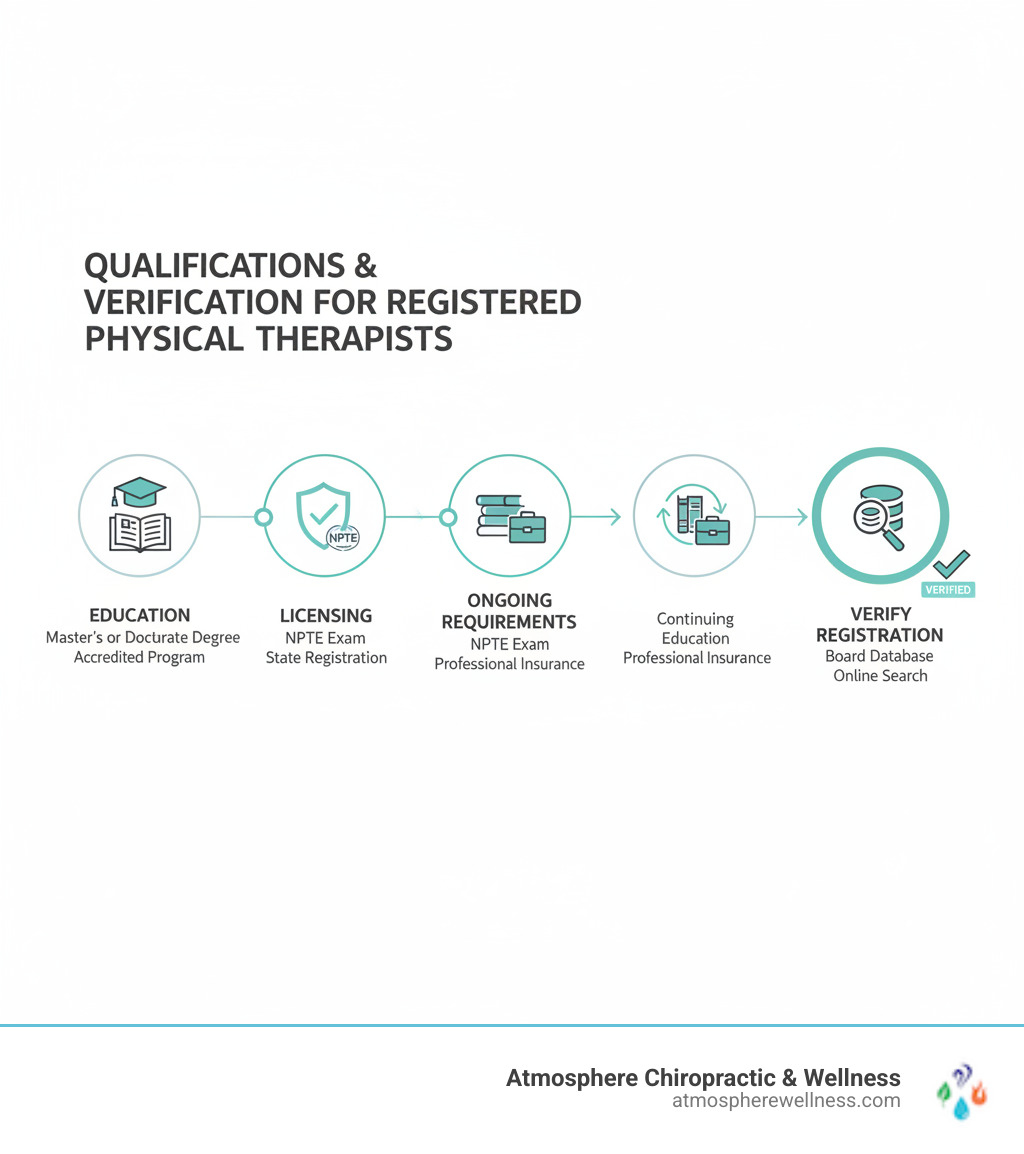
A registered physical therapist is a licensed healthcare professional who has completed rigorous education, passed national and state examinations, and maintains current registration with a state or provincial regulatory body. Here's what you need to know:
Key Qualifications of a Registered Physical Therapist:
- Education: Master's or Doctorate degree in Physical Therapy from an accredited program
- Licensing: Passed the National Physical Therapy Examination (NPTE) and state-specific requirements
- Registration: Active, verified registration with your state's licensing board
- Ongoing Requirements: Continuing education, professional liability insurance, and criminal record checks
- Regulatory Oversight: Subject to disciplinary action and practice standards enforcement
The word "registered" isn't just a formality-it's your assurance of safety and quality care. In British Columbia, for example, anyone using the title "physical therapist" or "PT" must be registered with the College of Health and Care Professionals of British Columbia. Similar requirements exist across North America. Unregistered practitioners cannot legally use these protected titles and may lack the training to safely treat your condition.
According to recent Canadian data, 24.2% of physical therapists are internationally educated, highlighting the importance of verifying credentials regardless of where a practitioner trained. The verification process confirms they've met your jurisdiction's standards through credentialing, examinations, and competency assessments.
This guide walks you through exactly how to verify a physical therapist's registration status, what credentials to look for, and how to choose a practitioner who matches your specific needs-whether you're recovering from a sports injury, managing chronic pain, or seeking post-surgical rehabilitation.
I'm Dr. Gannon Ward, and while I specialize in chiropractic care at Atmosphere Chiropractic and Wellness in Lehi, Utah, I work closely with registered physical therapists to provide integrated treatment plans for my patients. Having passed physical therapy examination boards in both Canada and the United States, I understand the rigorous standards these professionals meet and the critical role they play in comprehensive recovery and wellness programs.
What Does a Registered Physical Therapist Do?
Think of a registered physical therapist as your body's movement detective. These regulated healthcare professionals identify why your body isn't moving as it should and then help you fix it.
At Atmosphere Chiropractic & Wellness, we see how powerful this expertise is. Registered physical therapists are evidence-based practitioners who prevent, assess, and treat conditions affecting movement and function. Their goal is to help you achieve optimal mobility, improve physical activity, and boost your overall health.
Unlike a personal trainer or massage therapist, they have the clinical training to diagnose movement dysfunctions and create personalized treatment plans. This empowers you to prevent future problems, manage chronic conditions, and regain your independence.
Scope of Practice for a Registered Physical Therapist
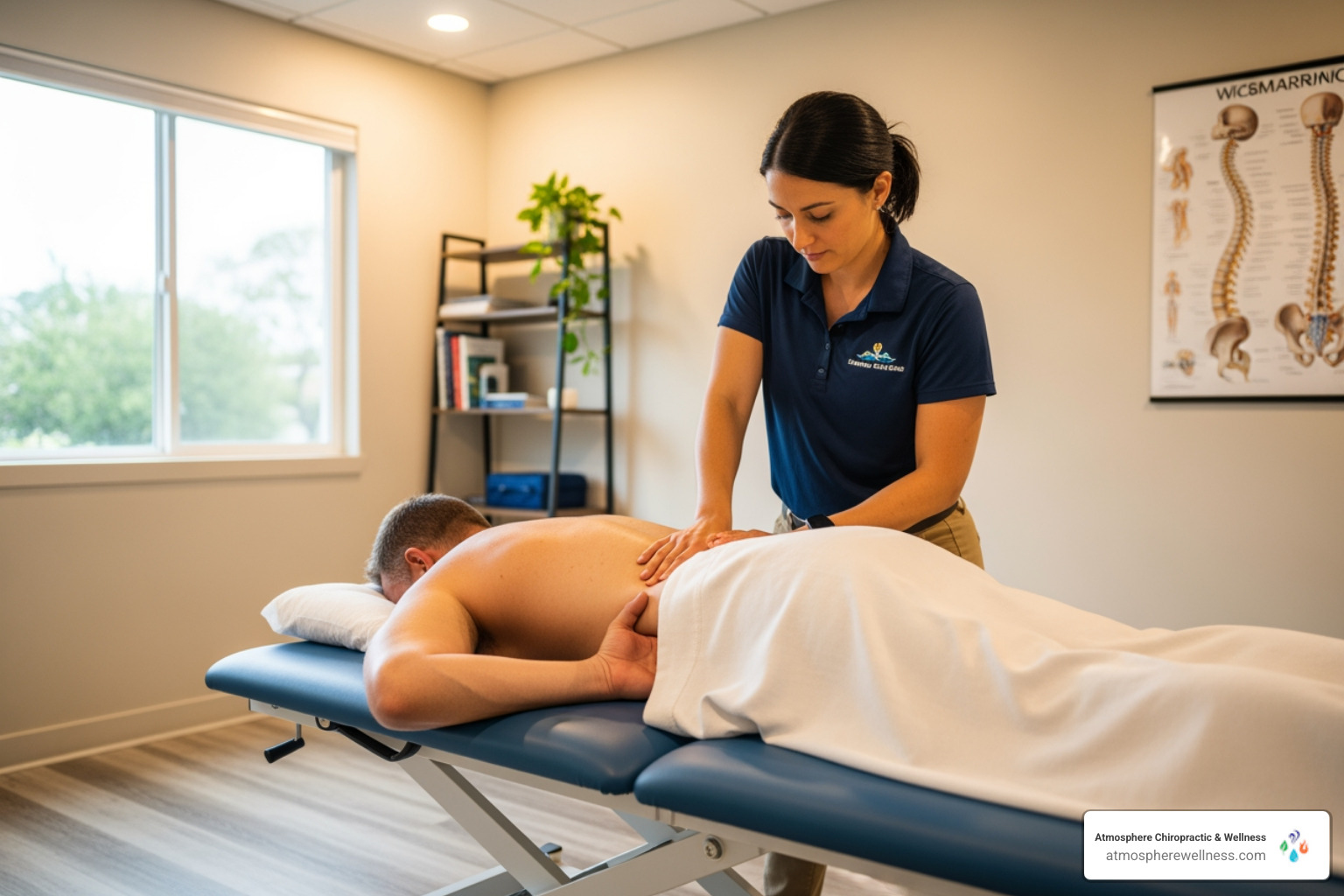
A registered physical therapist starts by assessing your physical function through evaluations to identify limitations, pain sources, and deficits. This may involve physical tests, movement analysis, and reviewing your medical history.
From there, they diagnose movement dysfunctions and develop an individualized treatment plan custom to your needs and goals. These plans are dynamic, adapting as you progress.
Pain management is often a central focus. Registered physical therapists use various techniques to alleviate discomfort, from manual therapy and therapeutic exercises to modalities like heat, cold, and electrical stimulation. Effective pain management in Lehi, Utah often involves working with these professionals.
For rehabilitation from injury, like a sprain or post-surgery recovery, they guide you through each step. Our injury recovery therapy frequently involves collaboration with physical therapists to help you regain strength, flexibility, and function.
For ongoing issues, they excel at chronic condition management. Physical therapy helps manage symptoms, improve mobility, and improve quality of life for conditions like arthritis or fibromyalgia. Understanding chronic pain and how to address it is central to their training.
Beyond treating existing problems, they focus on health promotion, educating you on proper body mechanics, exercise techniques, and lifestyle changes to prevent future injuries.
Common Conditions Treated
Registered physical therapists treat a vast range of conditions across all age groups:
Back and neck pain is a top reason people seek physical therapy. They diagnose the cause and implement strategies for relief and prevention. If you're seeking back pain relief in Lehi, a physical therapist is a crucial part of your recovery team.
Sports injuries are another common specialty. Athletes of all levels benefit from PT for sprains, strains, tendonitis, and rehabilitation. For sports injury in Lehi, their expertise is invaluable.
Post-surgical rehabilitation is where physical therapists shine. Following surgeries like joint replacements, they guide you through exercises to restore function and mobility, which makes a world of difference in your outcomes.
They also treat arthritis, helping manage pain and stiffness while improving joint function. For neurological conditions like stroke or Parkinson's disease, they work to improve balance, coordination, and functional independence.
Hip and knee problems from injury, overuse, or degenerative conditions respond well to targeted interventions. If you're dealing with hip pain physical therapy services in Lehi, UT, these professionals can make a significant difference.
Work Environments and Specializations
Registered physical therapists work in diverse settings:
Many are in private clinics like our integrated wellness center, offering personalized care. Hospitals employ PTs in acute care to help patients recover from surgery or illness. Home care brings therapy to patients with limited mobility. Sports facilities employ therapists who work with athletes, aligning with Lehi sports medicine approaches.
Within these environments, many registered physical therapists specialize. Geriatrics focuses on older adults, pediatrics on children, and orthopedics (the most common specialty) on musculoskeletal injuries. Other specializations include cardiopulmonary for heart and lung conditions and neurology for neurological disorders. Each requires additional training, ensuring you receive expert care.
The Path to Becoming a Registered Physical Therapist
Becoming a registered physical therapist requires years of dedication, intensive study, and a commitment to helping people move and feel better. At Atmosphere Chiropractic & Wellness, we respect the rigorous path these professionals travel to earn their title and bring expertise to patient care.
Educational Requirements
The educational foundation is substantial. In the U.S., registered physical therapists must earn a Doctor of Physical Therapy (DPT) degree from an accredited program. The profession evolved from a Master's to a doctoral degree, reflecting the role's growing complexity.
DPT programs are typically three years post-bachelor's. Coursework covers anatomy, physiology, neuroscience, kinesiology, and biomechanics. Students also study pharmacology, pathology, and master therapeutic exercise techniques and treatment modalities.
Beyond memorization, future PTs develop clinical reasoning and decision-making skills to assess complex situations and craft personalized treatment plans. They also study ethics and professional practice, building a foundation for patient-centered care.
Programs blend classroom learning with hands-on clinical experiences, giving students supervised practice with real patients. This demanding work ensures DPT graduates are prepared for their responsibilities.
Understanding the Rigorous Registration Process
Earning a degree is just the first step. To practice, a registered physical therapist must complete a registration process overseen by state licensing boards. These agencies protect the public by ensuring practitioners meet established standards.
Registration involves several key steps, starting with the National Physical Therapy Examination (NPTE). This exam is required in all states, including Utah, to assess entry-level competence for safe practice.
Beyond the national exam, states have their own requirements. Utah and many others require a jurisprudence exam on state-specific laws and regulations. This ensures therapists understand their local legal and professional obligations.
The application process is detailed. Candidates submit documentation like transcripts, exam scores, and references to the state board for thorough document verification.
Two other critical requirements are professional liability insurance and criminal record checks. These measures protect both patients and practitioners.
Licensure isn't the end. Registered physical therapists must complete ongoing continuing education to maintain their license, ensuring they stay current with the latest research and techniques.
For internationally-educated physical therapists, the path has extra steps. Their education undergoes a credentialing process to ensure it meets U.S. standards, similar to the Canadian Alliance for Physiotherapy Regulators (CAPR) for Canada. They must also pass the NPTE, state exams, and may need to prove English proficiency or complete supervised practice.
States also offer student registration for those in clinical placements and temporary registration for specific short-term purposes, ensuring all practice occurs under appropriate oversight.
The entire process can take weeks or months. This thoroughness isn't bureaucracy; it's the regulatory system working to maintain the high standards that make "registered physical therapist" a title you can trust.

How to Verify and Choose a Qualified Registered Physical Therapist
Finding the right healthcare provider is crucial. For physical therapy, you must be certain you're working with a qualified registered physical therapist. At Atmosphere Chiropractic & Wellness, I've seen how the right professional transforms recovery-and the consequences of working with an unqualified one.
Not everyone calling themselves a physical therapist is registered. Unqualified practitioners lack the training, ethical obligations, and regulatory oversight to keep you safe. They aren't accountable to a professional body that enforces standards and addresses patient concerns.
Importance of Verification
Verification is your safety net. Confirming someone is a registered physical therapist ensures they've met educational, examination, and ethical standards. It means they are legally permitted to practice and are accountable to a regulatory body that protects patients.
This oversight includes a strict code of conduct, evidence-based standards, and complaint mechanisms. It's the difference between a regulated professional and someone who could be a risk to your health.
Steps to Verify a Registered Physical Therapist
The good news is that verifying credentials is straightforward, as these records are public. Here's how to confirm your physical therapist is legitimate:
Start with your state's licensing board. In Utah, this is the Utah Division of Occupational and Professional Licensing (DOPL), which oversees the Utah Physical Therapy Board.
Find the online search tool. Go to the Utah DOPL website and find the "Licensee Search" or "Verify a License" function. Most state boards feature this prominently.
Search by name or license number. You can search for a registered physical therapist by their full name or license number.
Check their registration status. The results will show their license status: active, inactive, suspended, or revoked. You want to see an "active" status in good standing; anything else is a red flag.
Review their disciplinary history. The public register will also show any disciplinary actions, such as suspensions or practice limitations. This transparency is for your protection.
Verify a PT before your first appointment. It only takes a few minutes and provides peace of mind.
What to Look for in a Practitioner
Beyond verifying credentials, find a registered physical therapist who is the right fit for you. The therapeutic relationship is vital for your recovery.
Experience with your specific condition is key. If you have a sports injury, find a specialist in Lehi sports medicine. For post-surgical recovery or arthritis, look for that specific experience. Ask about their background treating conditions like yours.
Communication style is essential. A great therapist listens, explains plans clearly, and welcomes questions. You should never feel rushed, dismissed, or confused after an appointment.
Treatment philosophy varies. Some focus on manual therapy, others on exercise and education. Understanding their approach helps you see if it aligns with your goals. Ask about their typical treatment plans for your condition.
Reviews and testimonials offer real-world insights. Look for consistent patterns in patient feedback to understand what to expect.
Collaboration with other healthcare providers is something I value at Atmosphere Chiropractic & Wellness. Integrated care often yields the best outcomes. A PT who collaborates with your chiropractor in Lehi shows a focus on your wellbeing. This holistic health in Lehi approach produces better results than siloed care.
Combining verification with these factors sets you up for a successful recovery. You'll be confident your registered physical therapist meets regulatory standards and fits your personal needs, which makes all the difference.

The Physical Therapy Workforce: Statistics and Trends
The physical therapy field is growing rapidly, highlighting how vital registered physical therapists are to modern healthcare. At Atmosphere Chiropractic & Wellness in Lehi, Utah, we find that national and international data offer valuable perspective on the profession's direction and rising demand.
Supply and Demand
The demand for registered physical therapists often outpaces supply. This is driven by an aging population, greater awareness of PT benefits, and a healthcare system shifting toward preventative care.
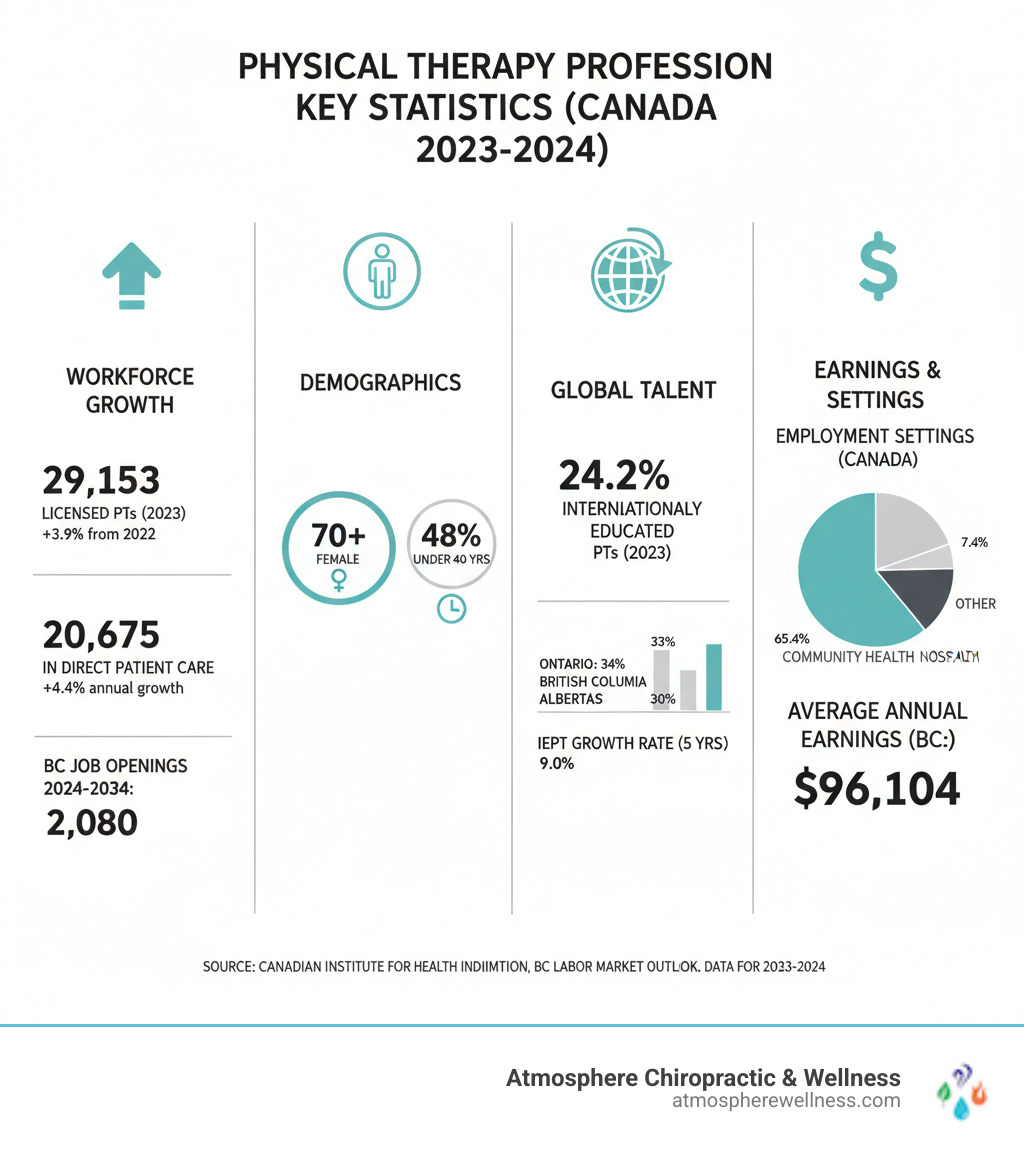
The numbers are telling. In Canada, the supply of licensed PTs reached 29,153 in 2023 (a 3.9% increase), with 20,675 working directly with patients (a 4.4% increase). This consistent growth shows a thriving profession.
British Columbia forecasts 2,080 job openings for physiotherapists by 2034, signaling a need for more qualified professionals. The average annual earnings in BC are $96,104, reflecting their specialized expertise.
The growth rate of internationally educated PTs is striking, averaging 9.0% annually over the past five years. This global talent exchange helps meet healthcare needs and brings diverse perspectives to patient care.
Demographics of the Workforce
The demographics of physical therapy may be surprising. Over 70% of PTs in Canada are women, a consistent trend reflecting the profession's appeal. The workforce is also relatively young, with about 48% of Canadian PTs under 40. This highlights the need for ongoing recruitment and training to maintain balance as older practitioners retire.
Rise of Internationally Educated Professionals
A significant trend is the rise of internationally trained professionals. In 2023, registered physical therapists educated abroad made up 24.2% of Canada's PT supply. Distribution varies by region, with Ontario (34%), British Columbia (33%), and Alberta (30%) having high percentages of internationally educated PTs. This underscores the importance of robust credentialing processes like CAPR to ensure all therapists meet the same high standards for safe, quality care.
Employment Settings
Registered physical therapists work in diverse environments. The majority (about 65.4%) are in community health settings, including private clinics like ours at Atmosphere Chiropractic & Wellness, home care, and outpatient facilities. This reflects a broader trend of meeting patients where they are.
Hospitals employ about 27.2% of PTs for services like post-surgical rehab and acute injury management. The remaining 8% work in education, research, and administration.
This versatility makes registered physical therapists valuable healthcare team members, able to help patients in various settings with recovery, chronic condition management, and injury prevention.
| Employment Setting | Percentage of PTs |
|---|---|
| Community Health (Private Clinics, Home Care) | 65% |
| Hospitals | 27% |
| Other (Education, Research, Administration) | 8% |
Note: Percentages are approximate and based on general Canadian workforce data where place of work information was available.
Conclusion
As we've explored throughout this guide, a registered physical therapist is far more than just someone who helps with exercises. They're highly educated healthcare professionals who've dedicated years to understanding how your body moves, what causes pain, and how to get you back to doing what you love. Whether you're dealing with a nagging back issue, recovering from surgery, or managing a chronic condition, these practitioners bring expertise backed by rigorous education, national examinations, and ongoing professional development.
The word "registered" matters. It's not just a formality-it's your protection and your peace of mind. It tells you that the person treating you has met strict educational requirements, passed comprehensive exams, maintains active licensure with your state board, and is accountable to professional standards. When you verify a registered physical therapist through your state's licensing board, you're taking a proactive step in your own healthcare journey.
We've walked you through how to verify credentials, what to look for in a practitioner, and why these standards exist. Armed with this knowledge, you can confidently choose a qualified professional who understands your condition, communicates clearly, and partners with you toward real recovery.
At Atmosphere Chiropractic & Wellness in Lehi, Utah, we see this every day. Dr. Gannon Ward and our team believe deeply in integrated care-bringing together chiropractic treatment, massage therapy, and when needed, the expertise of registered physical therapists. We've seen how this collaborative approach creates better outcomes for our patients. Whether you're exploring cryotherapy, red light therapy, hormone replacement therapy, or hands-on manual treatments, having multiple innovative therapies under one roof means your care team can work together seamlessly.
Your recovery matters. Your wellness matters. And choosing the right professionals to guide you through that journey matters most of all. We're here to support you with proactive, evidence-based care that treats you as a whole person, not just a set of symptoms.
Ready to experience integrated wellness care? Learn more about our integrated physical therapy and massage services and find how we can partner with you on your path to feeling your best.
Why Choosing a Registered Physical Therapist Matters for Your Recovery
A registered physical therapist is a licensed healthcare professional who has completed rigorous education, passed national and state examinations, and maintains current registration with a state or provincial regulatory body. Here's what you need to know:
Key Qualifications of a Registered Physical Therapist:
- Education: Master's or Doctorate degree in Physical Therapy from an accredited program
- Licensing: Passed the National Physical Therapy Examination (NPTE) and state-specific requirements
- Registration: Active, verified registration with your state's licensing board
- Ongoing Requirements: Continuing education, professional liability insurance, and criminal record checks
- Regulatory Oversight: Subject to disciplinary action and practice standards enforcement
The word "registered" isn't just a formality-it's your assurance of safety and quality care. In British Columbia, for example, anyone using the title "physical therapist" or "PT" must be registered with the College of Health and Care Professionals of British Columbia. Similar requirements exist across North America. Unregistered practitioners cannot legally use these protected titles and may lack the training to safely treat your condition.
According to recent Canadian data, 24.2% of physical therapists are internationally educated, highlighting the importance of verifying credentials regardless of where a practitioner trained. The verification process confirms they've met your jurisdiction's standards through credentialing, examinations, and competency assessments.
This guide walks you through exactly how to verify a physical therapist's registration status, what credentials to look for, and how to choose a practitioner who matches your specific needs-whether you're recovering from a sports injury, managing chronic pain, or seeking post-surgical rehabilitation.
I'm Dr. Gannon Ward, and while I specialize in chiropractic care at Atmosphere Chiropractic and Wellness in Lehi, Utah, I work closely with registered physical therapists to provide integrated treatment plans for my patients. Having passed physical therapy examination boards in both Canada and the United States, I understand the rigorous standards these professionals meet and the critical role they play in comprehensive recovery and wellness programs.
What Does a Registered Physical Therapist Do?
Think of a registered physical therapist as your body's movement detective. These regulated healthcare professionals identify why your body isn't moving as it should and then help you fix it.
At Atmosphere Chiropractic & Wellness, we see how powerful this expertise is. Registered physical therapists are evidence-based practitioners who prevent, assess, and treat conditions affecting movement and function. Their goal is to help you achieve optimal mobility, improve physical activity, and boost your overall health.
Unlike a personal trainer or massage therapist, they have the clinical training to diagnose movement dysfunctions and create personalized treatment plans. This empowers you to prevent future problems, manage chronic conditions, and regain your independence.
Scope of Practice for a Registered Physical Therapist
A registered physical therapist starts by assessing your physical function through evaluations to identify limitations, pain sources, and deficits. This may involve physical tests, movement analysis, and reviewing your medical history.
From there, they diagnose movement dysfunctions and develop an individualized treatment plan custom to your needs and goals. These plans are dynamic, adapting as you progress.
Pain management is often a central focus. Registered physical therapists use various techniques to alleviate discomfort, from manual therapy and therapeutic exercises to modalities like heat, cold, and electrical stimulation. Effective pain management in Lehi, Utah often involves working with these professionals.
For rehabilitation from injury, like a sprain or post-surgery recovery, they guide you through each step. Our injury recovery therapy frequently involves collaboration with physical therapists to help you regain strength, flexibility, and function.
For ongoing issues, they excel at chronic condition management. Physical therapy helps manage symptoms, improve mobility, and improve quality of life for conditions like arthritis or fibromyalgia. Understanding chronic pain and how to address it is central to their training.
Beyond treating existing problems, they focus on health promotion, educating you on proper body mechanics, exercise techniques, and lifestyle changes to prevent future injuries.
Common Conditions Treated
Registered physical therapists treat a vast range of conditions across all age groups:
Back and neck pain is a top reason people seek physical therapy. They diagnose the cause and implement strategies for relief and prevention. If you're seeking back pain relief in Lehi, a physical therapist is a crucial part of your recovery team.
Sports injuries are another common specialty. Athletes of all levels benefit from PT for sprains, strains, tendonitis, and rehabilitation. For sports injury in Lehi, their expertise is invaluable.
Post-surgical rehabilitation is where physical therapists shine. Following surgeries like joint replacements, they guide you through exercises to restore function and mobility, which makes a world of difference in your outcomes.
They also treat arthritis, helping manage pain and stiffness while improving joint function. For neurological conditions like stroke or Parkinson's disease, they work to improve balance, coordination, and functional independence.
Hip and knee problems from injury, overuse, or degenerative conditions respond well to targeted interventions. If you're dealing with hip pain physical therapy services in Lehi, UT, these professionals can make a significant difference.
Work Environments and Specializations
Registered physical therapists work in diverse settings:
Many are in private clinics like our integrated wellness center, offering personalized care. Hospitals employ PTs in acute care to help patients recover from surgery or illness. Home care brings therapy to patients with limited mobility. Sports facilities employ therapists who work with athletes, aligning with Lehi sports medicine approaches.
Within these environments, many registered physical therapists specialize. Geriatrics focuses on older adults, pediatrics on children, and orthopedics (the most common specialty) on musculoskeletal injuries. Other specializations include cardiopulmonary for heart and lung conditions and neurology for neurological disorders. Each requires additional training, ensuring you receive expert care.
The Path to Becoming a Registered Physical Therapist
Becoming a registered physical therapist requires years of dedication, intensive study, and a commitment to helping people move and feel better. At Atmosphere Chiropractic & Wellness, we respect the rigorous path these professionals travel to earn their title and bring expertise to patient care.
Educational Requirements
The educational foundation is substantial. In the U.S., registered physical therapists must earn a Doctor of Physical Therapy (DPT) degree from an accredited program. The profession evolved from a Master's to a doctoral degree, reflecting the role's growing complexity.
DPT programs are typically three years post-bachelor's. Coursework covers anatomy, physiology, neuroscience, kinesiology, and biomechanics. Students also study pharmacology, pathology, and master therapeutic exercise techniques and treatment modalities.
Beyond memorization, future PTs develop clinical reasoning and decision-making skills to assess complex situations and craft personalized treatment plans. They also study ethics and professional practice, building a foundation for patient-centered care.
Programs blend classroom learning with hands-on clinical experiences, giving students supervised practice with real patients. This demanding work ensures DPT graduates are prepared for their responsibilities.
Understanding the Rigorous Registration Process
Earning a degree is just the first step. To practice, a registered physical therapist must complete a registration process overseen by state licensing boards. These agencies protect the public by ensuring practitioners meet established standards.
Registration involves several key steps, starting with the National Physical Therapy Examination (NPTE). This exam is required in all states, including Utah, to assess entry-level competence for safe practice.
Beyond the national exam, states have their own requirements. Utah and many others require a jurisprudence exam on state-specific laws and regulations. This ensures therapists understand their local legal and professional obligations.
The application process is detailed. Candidates submit documentation like transcripts, exam scores, and references to the state board for thorough document verification.
Two other critical requirements are professional liability insurance and criminal record checks. These measures protect both patients and practitioners.
Licensure isn't the end. Registered physical therapists must complete ongoing continuing education to maintain their license, ensuring they stay current with the latest research and techniques.
For internationally-educated physical therapists, the path has extra steps. Their education undergoes a credentialing process to ensure it meets U.S. standards, similar to the Canadian Alliance for Physiotherapy Regulators (CAPR) for Canada. They must also pass the NPTE, state exams, and may need to prove English proficiency or complete supervised practice.
States also offer student registration for those in clinical placements and temporary registration for specific short-term purposes, ensuring all practice occurs under appropriate oversight.
The entire process can take weeks or months. This thoroughness isn't bureaucracy; it's the regulatory system working to maintain the high standards that make "registered physical therapist" a title you can trust.
How to Verify and Choose a Qualified Registered Physical Therapist
Finding the right healthcare provider is crucial. For physical therapy, you must be certain you're working with a qualified registered physical therapist. At Atmosphere Chiropractic & Wellness, I've seen how the right professional transforms recovery-and the consequences of working with an unqualified one.
Not everyone calling themselves a physical therapist is registered. Unqualified practitioners lack the training, ethical obligations, and regulatory oversight to keep you safe. They aren't accountable to a professional body that enforces standards and addresses patient concerns.
Importance of Verification
Verification is your safety net. Confirming someone is a registered physical therapist ensures they've met educational, examination, and ethical standards. It means they are legally permitted to practice and are accountable to a regulatory body that protects patients.
This oversight includes a strict code of conduct, evidence-based standards, and complaint mechanisms. It's the difference between a regulated professional and someone who could be a risk to your health.
Steps to Verify a Registered Physical Therapist
The good news is that verifying credentials is straightforward, as these records are public. Here's how to confirm your physical therapist is legitimate:
Start with your state's licensing board. In Utah, this is the Utah Division of Occupational and Professional Licensing (DOPL), which oversees the Utah Physical Therapy Board.
Find the online search tool. Go to the Utah DOPL website and find the "Licensee Search" or "Verify a License" function. Most state boards feature this prominently.
Search by name or license number. You can search for a registered physical therapist by their full name or license number.
Check their registration status. The results will show their license status: active, inactive, suspended, or revoked. You want to see an "active" status in good standing; anything else is a red flag.
Review their disciplinary history. The public register will also show any disciplinary actions, such as suspensions or practice limitations. This transparency is for your protection.
Verify a PT before your first appointment. It only takes a few minutes and provides peace of mind.
What to Look for in a Practitioner
Beyond verifying credentials, find a registered physical therapist who is the right fit for you. The therapeutic relationship is vital for your recovery.
Experience with your specific condition is key. If you have a sports injury, find a specialist in Lehi sports medicine. For post-surgical recovery or arthritis, look for that specific experience. Ask about their background treating conditions like yours.
Communication style is essential. A great therapist listens, explains plans clearly, and welcomes questions. You should never feel rushed, dismissed, or confused after an appointment.
Treatment philosophy varies. Some focus on manual therapy, others on exercise and education. Understanding their approach helps you see if it aligns with your goals. Ask about their typical treatment plans for your condition.
Reviews and testimonials offer real-world insights. Look for consistent patterns in patient feedback to understand what to expect.
Collaboration with other healthcare providers is something I value at Atmosphere Chiropractic & Wellness. Integrated care often yields the best outcomes. A PT who collaborates with your chiropractor in Lehi shows a focus on your wellbeing. This holistic health in Lehi approach produces better results than siloed care.
Combining verification with these factors sets you up for a successful recovery. You'll be confident your registered physical therapist meets regulatory standards and fits your personal needs, which makes all the difference.
The Physical Therapy Workforce: Statistics and Trends
The physical therapy field is growing rapidly, highlighting how vital registered physical therapists are to modern healthcare. At Atmosphere Chiropractic & Wellness in Lehi, Utah, we find that national and international data offer valuable perspective on the profession's direction and rising demand.
Supply and Demand
The demand for registered physical therapists often outpaces supply. This is driven by an aging population, greater awareness of PT benefits, and a healthcare system shifting toward preventative care.
The numbers are telling. In Canada, the supply of licensed PTs reached 29,153 in 2023 (a 3.9% increase), with 20,675 working directly with patients (a 4.4% increase). This consistent growth shows a thriving profession.
British Columbia forecasts 2,080 job openings for physiotherapists by 2034, signaling a need for more qualified professionals. The average annual earnings in BC are $96,104, reflecting their specialized expertise.
The growth rate of internationally educated PTs is striking, averaging 9.0% annually over the past five years. This global talent exchange helps meet healthcare needs and brings diverse perspectives to patient care.
Demographics of the Workforce
The demographics of physical therapy may be surprising. Over 70% of PTs in Canada are women, a consistent trend reflecting the profession's appeal. The workforce is also relatively young, with about 48% of Canadian PTs under 40. This highlights the need for ongoing recruitment and training to maintain balance as older practitioners retire.
Rise of Internationally Educated Professionals
A significant trend is the rise of internationally trained professionals. In 2023, registered physical therapists educated abroad made up 24.2% of Canada's PT supply. Distribution varies by region, with Ontario (34%), British Columbia (33%), and Alberta (30%) having high percentages of internationally educated PTs. This underscores the importance of robust credentialing processes like CAPR to ensure all therapists meet the same high standards for safe, quality care.
Employment Settings
Registered physical therapists work in diverse environments. The majority (about 65.4%) are in community health settings, including private clinics like ours at Atmosphere Chiropractic & Wellness, home care, and outpatient facilities. This reflects a broader trend of meeting patients where they are.
Hospitals employ about 27.2% of PTs for services like post-surgical rehab and acute injury management. The remaining 8% work in education, research, and administration.
This versatility makes registered physical therapists valuable healthcare team members, able to help patients in various settings with recovery, chronic condition management, and injury prevention.
| Employment Setting | Percentage of PTs |
|---|---|
| Community Health (Private Clinics, Home Care) | 65% |
| Hospitals | 27% |
| Other (Education, Research, Administration) | 8% |
Note: Percentages are approximate and based on general Canadian workforce data where place of work information was available.
Conclusion
As we've explored throughout this guide, a registered physical therapist is far more than just someone who helps with exercises. They're highly educated healthcare professionals who've dedicated years to understanding how your body moves, what causes pain, and how to get you back to doing what you love. Whether you're dealing with a nagging back issue, recovering from surgery, or managing a chronic condition, these practitioners bring expertise backed by rigorous education, national examinations, and ongoing professional development.
The word "registered" matters. It's not just a formality-it's your protection and your peace of mind. It tells you that the person treating you has met strict educational requirements, passed comprehensive exams, maintains active licensure with your state board, and is accountable to professional standards. When you verify a registered physical therapist through your state's licensing board, you're taking a proactive step in your own healthcare journey.
We've walked you through how to verify credentials, what to look for in a practitioner, and why these standards exist. Armed with this knowledge, you can confidently choose a qualified professional who understands your condition, communicates clearly, and partners with you toward real recovery.
At Atmosphere Chiropractic & Wellness in Lehi, Utah, we see this every day. Dr. Gannon Ward and our team believe deeply in integrated care-bringing together chiropractic treatment, massage therapy, and when needed, the expertise of registered physical therapists. We've seen how this collaborative approach creates better outcomes for our patients. Whether you're exploring cryotherapy, red light therapy, hormone replacement therapy, or hands-on manual treatments, having multiple innovative therapies under one roof means your care team can work together seamlessly.
Your recovery matters. Your wellness matters. And choosing the right professionals to guide you through that journey matters most of all. We're here to support you with proactive, evidence-based care that treats you as a whole person, not just a set of symptoms.
Ready to experience integrated wellness care? Learn more about our integrated physical therapy and massage services and find how we can partner with you on your path to feeling your best.


